That familiar hesitation before clicking “Buy Now.” You’ve found the perfect item on a new website, the price is right, but a nagging thought surfaces: “Is it safe to enter my credit card details here?” In an age where digital storefronts are as common as brick-and-mortar shops, this concern is not just valid—it’s essential. The convenience of online shopping has brought with it a shadow of risk, from data breaches to fraudulent charges. This digital tug-of-war between convenience and security has spurred a powerful innovation in financial technology, designed specifically to protect your primary financial accounts while you navigate the vast online marketplace.
Enter the virtual card, a dynamic and secure solution born from the fintech revolution. Unlike the static 16-digit number on your physical plastic card, a virtual card is a temporary, unique set of numbers, including a CVV and expiration date, generated through your bank or a financial service provider’s app. This digital stand-in is linked to your actual account but acts as a protective barrier. If the virtual card’s details are ever compromised in a data breach, your primary account remains untouched and secure. It’s the digital equivalent of using a secure, single-use key to open a door, rather than handing over your master key every time.
🛡️ The Digital Shield: How Fintech Forged a New Layer of Security
The concept of a virtual card is elegantly simple, but the technology powering it is a sophisticated piece of modern financial engineering. At its core, this innovation leverages a process called tokenization. When you generate a virtual card, your financial institution isn’t just creating a random number; it’s creating a unique “token” that represents your real card information without actually revealing it. This token is what gets transmitted to the merchant during a transaction. For hackers, stealing this token is far less valuable because it’s typically restricted—either to a single merchant, a specific transaction amount, or a short time frame—making it virtually useless for widespread fraud.
This development in financial technology is a direct response to the escalating threat of online payment fraud. According to the Federal Trade Commission (FTC), consumers reported losing nearly $8.8 billion to fraud in 2022, with online shopping scams being a significant contributor. Virtual cards directly combat this by minimizing the exposure of your core financial data. Consider the case of a large-scale data breach at a major online retailer. Customers who used their physical cards might spend days monitoring their accounts, disputing fraudulent charges, and waiting for a new card to arrive. Those who used a virtual card, however, face a much simpler outcome: the compromised virtual number is simply declined or deleted, with zero impact on their actual bank account or credit line.
Let’s look at a practical example. Imagine you want to sign up for a free trial of a new streaming service that requires a credit card on file. You’re hesitant, worried you’ll forget to cancel and be charged, or that the company’s security isn’t robust. By using a virtual card, you can take control of the situation. You can generate a card and set a spending limit of just $1, ensuring that no charges can go through after the trial period, even if you forget to cancel. This transforms the virtual card from a purely defensive tool into a proactive financial management asset. Its key security features include:
- Limited Exposure: Your real card number is never shared with the merchant.
- Custom Controls: You can set spending limits, expiration dates, or even lock a card to a single merchant.
- Instant Deactivation: If you suspect any fraudulent activity, you can delete or freeze the virtual card instantly through your app without affecting your physical card.
💳 Not All Digital Cards Are Created Equal: Single-Use vs. Recurring
As you explore the world of virtual cards, you’ll quickly realize there are different tools for different jobs. The financial technology that enables these cards also allows for remarkable flexibility, leading to two primary types: the single-use (or “disposable”) card and the recurring-use card. Understanding the distinction is key to maximizing their security and convenience benefits. Each is designed with a specific purchasing scenario in mind, offering tailored protection for everything from a one-off purchase on an unfamiliar site to managing your monthly digital subscriptions.
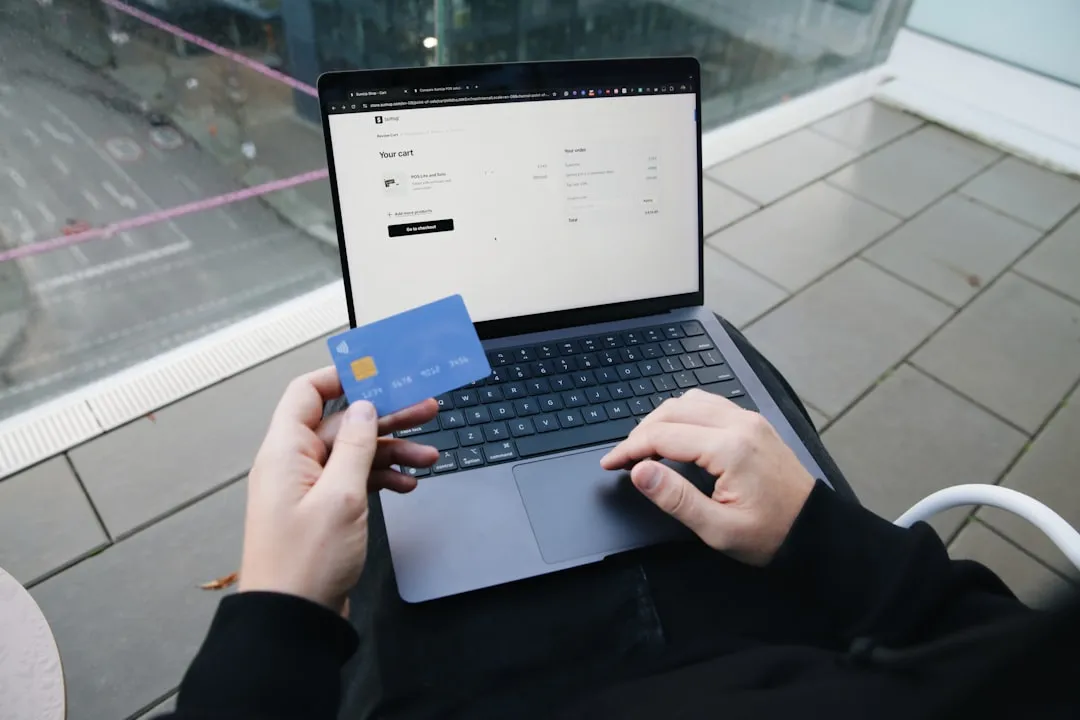
The single-use virtual card is the ultimate security measure for online transactions. As its name implies, this card is designed to be used for one purchase only. Once the transaction is completed, the card number automatically deactivates and becomes useless. This is your go-to option when buying from a website for the first time, making a purchase from an international seller, or buying from any merchant you don’t completely trust. Think of it as a digital self-destructing message; the critical information exists just long enough to fulfill its purpose and then vanishes, leaving no trail for potential fraudsters to follow. This level of security is one of the most powerful applications of modern payment-focused fintech.
On the other hand, the recurring-use virtual card offers a blend of security and long-term convenience, making it perfect for managing subscriptions and regular payments. You can create a specific virtual card for each service—one for your streaming service, another for your monthly software subscription, and a third for your gym membership. The primary benefit here is control. You can set a custom spending limit for each card that matches the subscription cost, preventing unexpected price hikes or unauthorized charges. Furthermore, if you decide to cancel a service, you don’t have to navigate a complicated cancellation process on the merchant’s website. You can simply delete or freeze the corresponding virtual card, and the payments will stop immediately. This gives you an unprecedented level of command over your recurring expenses.
Comparison: Single-Use vs. Recurring Virtual Cards
| Feature | Single-Use Virtual Card | Recurring-Use Virtual Card |
|---|---|---|
| Best For | One-time purchases, free trials, unfamiliar websites. | Monthly subscriptions, trusted online retailers, budget management. |
| Lifespan | Expires immediately after one successful transaction. | Remains active until you
🚀 The Fintech Revolution Fueling Virtual CardsIn the not-so-distant past, getting a new credit card number meant a week-long wait for a piece of plastic to arrive in the mail. If you lost your card or suspected fraud, the process was the same: call the bank, cancel the card, and wait. This reactive, slow-moving system was ripe for disruption. Enter the financial technology (fintech) revolution. The rise of digital-first banks, neobanks, and innovative payment processors has completely changed our relationship with money, and virtual cards are a prime example of this paradigm shift. This isn’t just about convenience; it’s about a fundamental change in consumer power. Fintech companies built their platforms on agility and user-centric design. They asked a simple question: “Why should a customer wait for a physical object to access a line of credit they’ve already been approved for?” The answer was to separate the account from the plastic. By leveraging modern cloud infrastructure and APIs, these companies enabled the instant generation of unique card numbers, putting the control directly into the user’s hands via a smartphone app. This shift from a physical-first to a digital-first mindset is the engine behind the widespread adoption of virtual cards. ⚙️ Under the Hood: The Technology Making It PossibleSo, how does your bank or credit card provider create a new, secure card number out of thin air in a matter of seconds? The magic lies in a few key pieces of financial technology working in harmony. It’s a sophisticated digital dance that prioritizes your security at every step. 
💡 Beyond Shopping: Evolving Use Cases for Virtual CardsWhile the primary benefit of virtual cards is secure online shopping, their flexibility has opened up a world of new applications for both personal and business finance. This is where financial technology truly shines, solving everyday problems with elegant digital solutions. Subscription Management: Think about all your recurring payments: streaming services, software subscriptions, gym memberships, and monthly boxes. It’s a hassle to track them, and even more of a hassle to cancel. A savvy strategy is to create a unique virtual card for each subscription. Set the spending limit to the exact monthly cost. This gives you a crystal-clear view of your recurring expenses. If you want to cancel a service and are struggling with their customer support, you can simply delete the virtual card associated with it. The company’s next attempt to charge the card will fail, effectively ending the subscription on your terms. Business Expense Management: For businesses, virtual cards are a game-changer. Imagine a marketing team needs to run a social media ad campaign with a budget of $1,000. Instead of using a single corporate card and creating a messy paper trail, a finance manager can instantly issue a virtual card to the marketing lead with a hard limit of $1,000, locked to be used only for that specific ad platform. This eliminates the need for reimbursements, prevents overspending, and dramatically simplifies accounting. It provides autonomy to employees while maintaining centralized financial control.  Protecting Against “Free Trial” Traps: We’ve all been there. You sign up for a 7-day free trial that requires a credit card, forget to cancel, and get hit with an unexpected charge. By using a single-use virtual card or one with a $1 limit, you can safely explore new services. When the trial period ends, the company’s attempt to charge the full price will be declined, saving you from unwanted fees. ✅ Take Control of Your Digital Financial FootprintThe evolution from a simple piece of plastic to a dynamic, user-controlled digital asset is a testament to the power of financial technology. Virtual cards are more than just a clever feature; they represent a shift towards a more secure, transparent, and empowered way of managing our money online. They are a practical, powerful tool available right now, not some far-off future concept. The rise of digital payments is an undeniable trend, with institutions like the U.S. Federal Reserve constantly monitoring the shift in consumer behavior. By adopting tools like virtual cards, you are not just protecting yourself from fraud—you are actively participating in the future of finance. Don’t let your financial security be a passive concern. Take action. Log in to your banking or credit card app today and explore the virtual card options available to you. If your current provider doesn’t offer this feature, it may be time to consider one that puts modern security tools in your hands. Embrace the control and peace of mind that comes with smarter, safer spending. Frequently Asked QuestionsWhat exactly is a virtual card?A virtual card is a temporary, digitally-generated card number linked to your actual credit or debit account. It comes with its own unique 16-digit number, expiration date, and CVV code. It is designed specifically for online or phone transactions, acting as a secure buffer. Since the merchant never sees your physical card details, your primary account remains protected from potential data breaches, significantly enhancing your online shopping security. How do virtual cards enhance security compared to physical cards?Virtual cards add multiple layers of security. You can often set specific spending limits or lock a card to a single merchant. Many are single-use, meaning the number becomes invalid after one transaction. If a merchant’s website is compromised, only the disposable virtual card number is exposed, not your primary account. This makes it nearly impossible for fraudsters to make unauthorized charges on your actual account, offering peace of mind. Can I use a virtual card for subscriptions or recurring payments?Absolutely. Using a unique virtual card for each subscription is a smart way to manage recurring bills. You can set a specific monthly limit to prevent unexpected price hikes and easily control your payments. If you want to cancel a service, you can simply delete or freeze the associated virtual card without affecting any of your other subscriptions or having to replace your main physical card. What happens if I need a refund for a purchase made with a virtual card?Getting a refund is a smooth process, even if the virtual card was single-use or has since been deleted. The refund is automatically credited back to the underlying credit or debit account that funded the virtual card. The merchant’s payment system traces the transaction back to its source. You don’t need to provide a new card number; the process is handled seamlessly by your bank or card issuer. How do I get a virtual card and are there any fees involved?Most major banks and credit card issuers offer virtual cards as a free feature through their online banking portal or mobile app. Fintech companies and dedicated privacy services also provide them. In most cases, this service is included at no extra cost as part of your account benefits. Simply log into your account, look for an option like “virtual card numbers” or “secure checkout,” and follow the prompts to generate one instantly. Related Posts Build Credit with a No Annual Fee CardIt feels like a classic catch-22, doesn't it? To get approved for a loan or even rent an apartment, you need a good credit history. But to build that history, you often need... credit. This…  What Credit Score Do You Need to Refinance?Let's be honest: you've probably seen ads for lower interest rates and daydreamed about the relief of a smaller loan payment. The idea of refinancing sounds like music to your ears—a chance to reorganize your…  Manage Your Credit Card in Your Banking AppRemember that sinking feeling in your stomach when you realize you've lost your credit card? The scramble to find the customer service number, the long wait on hold, and the uncertainty that followed. Today, that… |