Building a good credit history might seem like one of those complex tasks reserved for finance experts. However, the truth is that it’s one of the most accessible and important pillars of your financial health. Think of your credit score as your reputation in the market: the more trustworthy you appear, the more doors open for you, whether it’s financing a car, buying a home, or even getting better terms on everyday services. The good news is you don’t need expensive or complicated financial products to get started. In fact, one of the most effective and safest tools for taking the first steps is surprisingly simple: the no-annual-fee credit card.
This guide is designed to demystify the process. We’ll explore, step by step, how a simple credit card, free of annual fees, can become your greatest ally on the journey to building a solid financial future. Far from being an incentive for reckless spending, this is a manual on how to use credit intelligently, strategically, and, above all, educationally. Get ready to turn a piece of plastic into a powerful tool for financial education.
💡 The Foundation of Your Financial Life: Cracking the Credit Game
Before we dive into strategies, it’s essential to understand what exactly we’re building. Many people see credit only as a way to buy now and pay later, but its function is much deeper. It’s the foundation upon which major life projects are built. Imagine the story of Sophia, a recent graduate who dreams of opening her own design studio. When seeking a small loan for start-up capital, she discovers her “credit history” is nonexistent. To the banks, Sophia was a financial ghost; they had no way to assess if she was a good borrower simply because she had never formally demonstrated it. This situation is more common than you might think and perfectly illustrates why building credit should start early.
Your credit history is compiled into a detailed report, and from it, credit bureaus like Serasa and SPC calculate a score. This score isn’t a random number; it’s the result of an algorithm that analyzes your financial behavior. To master the game, you need to know the rules. The main factors that influence your score are:
- Payment History (Weight: High): Paying your bills on time is the most important factor. Late payments, even by just a few days, can negatively impact your score.
- Credit Utilization (Weight: High): This refers to the percentage of your total available credit that you’re using. Experts recommend keeping your usage below 30% of your available limit.
- Length of Credit History (Weight: Medium): The older your credit accounts are, the better. This demonstrates a long-term and stable relationship.
- New Credit Accounts (Weight: Low): Opening several credit accounts in a short period can be a red flag for lenders.
- Credit Mix (Weight: Low): Having a mix of different types of credit (cards, auto loans, mortgages) can be beneficial, but it’s not a crucial factor for beginners.
This is where the no-annual-fee card comes in as the key piece. It allows you to start building positively on almost all these factors at no maintenance cost. Unlike a loan, which has an end date, a credit card can be kept open for years, greatly helping with the “Length of Credit History” factor. For Sophia, getting a no-fee card in college and using it for small monthly purchases (like a streaming service), always paying the full balance, would have created a positive record and put her in a much stronger position to achieve her dream.
📈 The Smart Starting Point: Why a No-Annual-Fee Card Is Your Best Ally
The word “credit” often comes with a certain amount of fear, associated with debt and exorbitant interest rates. This concern is valid and shows a sense of financial responsibility. However, the secret isn’t to avoid credit, but to use it as a tool in your favor. The no-annual-fee credit card is the perfect training ground to develop this skill. It removes the main cost barrier—the annual fee—which often pressures users to spend more to “make the card worth it.” Without this pressure, the focus shifts entirely to the educational purpose: building a solid history.
Let’s break down how this type of card works for you in practice. Think of it as a personal trainer for your financial life. Each month, it offers an opportunity to demonstrate good habits that are reported to the credit bureaus. The direct benefits for building your score are clear and measurable:
- Building a Positive Payment History: By making a small monthly purchase (a coffee, an app subscription) and paying the full balance before the due date, you’re sending a clear and consistent signal to lenders: “I am reliable.”
- Maintaining Low Credit Utilization: Since the initial limits for these cards are often lower, it’s easier to manage and keep your usage below the ideal 30%. If your limit is R$1,000, using only R$200 per month already shows excellent control.
- Cost-Free Account Longevity: This is perhaps the most underrated benefit. You can keep the card active for 5, 10, 15 years without paying a cent for it. This longevity increases the average age of your credit accounts, a factor that takes time to build and has a lasting positive impact on your score. According to Experian, the age of your credit history is a significant component of a strong score.
- Easy Access: No-annual-fee cards are often offered as entry-level products by banks and fintechs, making them more accessible to young people, students, and individuals with little to no credit history.
To better visualize why starting with a no-annual-fee card is a strategic decision, let’s compare two user profiles. On one side, we have the “Credit Builder,” who chooses a no-fee card. On the other, the “Rewards Chaser,” who is drawn to a card with a high annual fee and lots of miles. The focus of each shapes the outcome very differently, especially at the beginning of their financial journey.
Comparison Table: No-Annual-Fee Card vs. Card with Annual Fee for Beginners
| Feature | 🎯 No-Annual-Fee Card (Focus: Building Credit) | ✈️ Card with Annual Fee (Focus: Rewards) |
|---|---|---|
| Annual Cost | R$0. Allows you to keep the account open for years at no cost, benefiting your credit history’s length. | R$200 – R$1,200+. Creates pressure to spend to justify the fee, which can lead to overspending. |
| Main Goal | Create a record of on-time payments and manage credit utilization in a controlled manner. | Accumulate points, miles, or cashback, which usually requires a higher spending volume. |
| Risk for Beginners | Low. The focus on small purchases and paying the balance in full minimizes the risk of debt. | High. The pursuit of rewards can encourage unnecessary spending and the accumulation of revolving debt. |
| Mindset Promoted | Discipline and patience. A true hands-on lesson in financial education. | Consumption and maximization. Focus on extracting value from the card, not on building a foundation. |
The Credit Card as Your First Financial Education Tool 🧠
In the first part of this journey, we established how a no-annual-fee credit card is the gateway to building a solid financial history. Now, let’s deepen our understanding. Think of this card not just as a payment method, but as your first and most interactive tool for financial education. It’s a real-world simulator where every transaction, every statement, and every payment is a practical lesson on interest, responsibility, and planning.
Many financial concepts seem abstract until you experience them firsthand. The difference between debit and credit, the impact of compound interest, the importance of a budget—all of this comes to life when you have a card in your hand. It turns theory into daily practice. The absence of an annual fee removes the “tuition cost” for this practical course, allowing you to learn and, inevitably, make small mistakes without fixed costs, focusing solely on building positive habits.
Decoding the Billing Cycle: More Than Just Paying the Bill 🗓️
One of the first and most crucial modules of your financial literacy journey with a credit card is understanding the billing cycle. Most people only know their due date, but the statement closing date is equally, if not more, important.
Let’s use a practical example. Imagine Joana has a card whose billing cycle closes on the 20th of each month and the payment is due on the 10th of the following month.
- Purchases made up to January 20th: Everything Joana buys by this date will appear on the bill that’s due on February 10th.
- Purchases made from January 21st onwards: Any purchase made from this date on will only be charged on the next statement, with a due date of March 10th.
Mastering this mechanic gives you immense planning power. If Joana needs to make a larger purchase on January 19th, she knows she’ll have just over 20 days to pay for it. However, if she waits until the 21st, she gets nearly 50 days to pay. This isn’t a license to spend more, but a smart strategy to manage personal cash flow. Understanding this dynamic is the first step to using credit to your advantage, not the other way around.
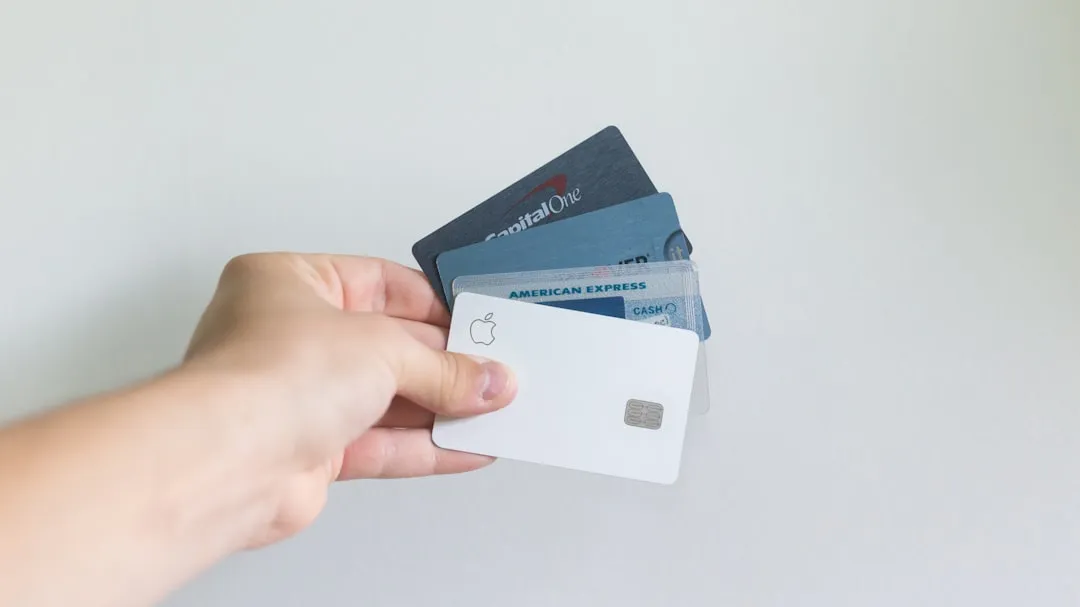
The Psychology of Spending: How Plastic Influences Your Decisions 🛍️
A credit card makes purchases easier and, psychologically, less “painful.” Studies in behavioral economics, like the classic ones conducted by MIT, show that consumers tend to spend more when using a card instead of cash. The “pain of paying”—the sense of loss when handing over physical money—is significantly reduced by the simple act of tapping or inserting a card.
Being aware of this cognitive bias is a key piece of personal financial education. Your no-annual-fee card becomes a laboratory for observing and controlling your own impulses. Take the case of Mark, a young man who noticed his spending on food delivery apps skyrocketed after getting his first card. Instead of canceling the card, he used his bank’s app as a learning tool.
He turned on notifications for every purchase, set a monthly spending limit for the “restaurants” category, and started reviewing his statement weekly. The card, which was once a trigger for impulsive spending, transformed into a control panel for his consumption habits. He not only cut back on unnecessary expenses but also developed a discipline that extended to other areas of his finances.
Credit Utilization: The Silent Metric That Shouts on Your Score 📊
We’ve already talked about the importance of keeping your credit utilization low (ideally below 30%), but let’s understand why. To lenders, a customer who constantly uses 90% or 100% of their credit limit appears to be under financial stress, living on the edge. Even if they pay the bill in full, this high utilization is a warning sign, indicating a higher risk of default in the future.
Your no-annual-fee card is the perfect training ground for managing this metric. Imagine you have a R$1,000 limit. Keeping your balance below R$300 is the golden rule. But here’s a pro-level tip, a true lesson in financial management:
Remember the closing date we discussed? That’s the date when most card issuers report your balance to the credit bureaus (like Serasa and Boa Vista). Therefore, even if you use R$800 of your limit during the month, if you pay off R$600 a few days *before* the closing date, the reported balance will only be R$200 (20% utilization). You’ve used your limit’s purchasing power, but to the market, your utilization remained low and healthy. This is a proactive strategy that demonstrates a high level of financial maturity.
Conclusion: Your Next Step Toward Financial Mastery 🚀
Building credit with a no-annual-fee card goes far beyond just getting a higher score. It’s about building confidence—in yourself and in your financial future. Every bill paid on time, every mindful purchasing decision, and every utilization goal met is another brick in the foundation of your stability and independence.
Don’t see this card as a simple piece of plastic. See it as your enrollment in a practical, ongoing course in personal finance, a course where you are both the student and the teacher. The lessons you learn here—about discipline, planning, consumer psychology, and strategy—will be the basis for much bigger financial decisions in the future, like financing a car, buying a home, or investing for retirement.
The journey begins with a single step. If you already have a card, review your habits today. If you don’t have one yet, research the best no-annual-fee options and start your transformation. Financial knowledge is the most valuable asset you can build, and your credit card can be the tool that starts it all. Check your score for free on platforms like Serasa and start writing your new financial story right now.
Frequently Asked Questions
Why is a no-annual-fee card ideal for building credit?
Because it allows you to build a long-term credit history at no maintenance cost. One of the important factors for your score is the length of your credit relationships. Keeping a no-annual-fee card active for years, even with little use, helps increase the average age of your accounts, positively impacting your score. It’s a low-risk tool to demonstrate financial responsibility to credit bureaus without having to pay for it annually.
How exactly should I use the card to effectively improve my score?
The secret is conscious and strategic use. Make small, regular purchases, like a streaming service or a coffee, just to keep the card active. The most important thing is to pay the bill in full and always before the due date. Also, keep your credit utilization low, ideally below 30% of your total limit. For example, if your limit is R$1,000, try to keep your statement balance below R$300. This shows the market that you manage your credit well.
I have a low score or no history. Can I get approved for a no-annual-fee card?
Yes, it’s entirely possible. Look for “easy approval credit cards” or options offered by digital banks, which often have more flexible criteria for those who are just starting out. University cards or retail store cards are also excellent alternatives. Generally, the initial approved limit will be lower, which is perfect for the goal of building a positive payment history and demonstrating financial responsibility without getting into debt.
What’s the difference between a no-annual-fee card and a secured credit card?
The main difference is the requirement of a security deposit. To get a secured card, you need to deposit an amount that becomes your credit limit (for example, you invest R$500 in the bank’s CDB and get a R$500 limit). A no-annual-fee credit card, on the other hand, is a traditional line of credit granted after a risk analysis, without needing that deposit. Both are effective for building a score, as they report your payment history to the credit bureaus.
Once my score improves, should I cancel my first no-annual-fee card?
No, that’s not a good strategy. Canceling your oldest credit card can actually hurt your score because it reduces the average age of your credit history—an important factor in your score. Since the card has no annual cost, the best decision is to keep it active. Make a small purchase every few months to prevent it from being canceled due to inactivity and pay the bill on time. This will keep your history long and healthy, benefiting your score.