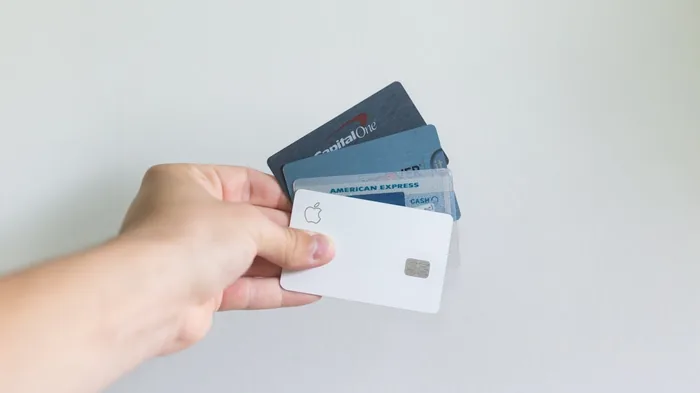
Finalizing a debt negotiation process brings an undeniable sense of relief. The phone stops ringing, collection letters cease, and for the first time in a long while, you can breathe financially. However, when you check your credit report, you might face a new reality: a significantly lower credit score. This is the paradox of renegotiation: by solving an immediate problem, you create a medium-term challenge. The good news is that a damaged credit score is not a life sentence. On the contrary, it’s a starting point. With the right strategy, discipline, and patience, it is entirely possible to rebuild your financial health and emerge stronger and more aware than before. This detailed guide was created to be your map on this new path, showing you the step-by-step process to transform the aftermath of a negotiation into a solid foundation for your financial future.
The “Day After” Negotiation: Understanding the True Impact on Your Score
Imagine Carlos’s situation. After months of stress, he finally reached a deal to settle a $10,000 credit card debt for $4,500. He celebrated the victory, but the surprise came a month later when he checked his score: a drop of nearly 100 points. What happened? A debt negotiation, while a powerful tool for getting out of debt, leaves a specific mark on credit reports. Creditors update the account status to something like “settled for less than the full amount” or “agreement reached.” To credit algorithms, this signals that the original contract was not fully honored, representing a higher risk than a full payment, even if it was late.
This negative notation primarily impacts the most important factor of your score: your payment history, which accounts for about 35% of the total score. While it’s infinitely better to have an account settled by agreement than an active, delinquent debt, the system interprets it as a partial default event. The debt is no longer “open,” but the record of the settlement will remain on your report for several years (the time varies depending on local laws and the credit bureau). It’s crucial to understand that this drop isn’t a punishment, but a snapshot of your recent history. Future creditors will see that you faced difficulties, but also that you took action to resolve the issue, which is a positive point amidst the negative scenario.
The severity of the impact varies depending on your credit profile before the negotiation. If you already had a history with multiple late payments, the additional damage might be smaller. However, if your score was good and the negotiated debt was your first major financial problem, the drop could be more pronounced. The important thing is not to get discouraged. Think of this moment not as an end, but as ground zero for your recovery. You now have a clear picture of what needs to be fixed. The first step is to accept the new score and focus on the actions that, starting today, will begin to build a new, positive, and consistent history.
🗺️ The Reconstruction Roadmap: Your First Strategic Post-Agreement Actions
With the agreement finalized and the dust settling, the temptation to simply “forget” about it and move on is strong. However, the first few weeks after a debt negotiation are crucial and require a proactive stance. Your first mission is to act as an auditor of your own financial life, ensuring that what was agreed upon verbally or via email is correctly reflected in official documents. Negligence at this stage can unnecessarily prolong the negative impact on your credit.
The starting point is to obtain an updated copy of your credit report from all major agencies, such as Experian, Equifax, and TransUnion. Meticulously check the account that was negotiated. It should be marked as “paid” or “settled,” and the outstanding balance should be zero. If the account still appears as “delinquent” or with a pending balance, contact the creditor immediately with proof of the agreement in hand to request a correction. This step is fundamental, as an error on your report can prevent your score from recovering. Use this analysis to map out your entire credit situation, identifying other accounts that may need attention.
With the administrative part sorted, the focus shifts to the future. Immediate and strategic actions are needed to build a new foundation. Here is an initial checklist to put into practice:
- 🔎 Detailed Verification: Confirm that the status of the negotiated debt has been correctly updated on your credit report. Keep all documentation of the agreement (emails, letters, proof of payment) in a safe place.
- 💰 War Budget (Now a Peace Budget): Create a new, detailed, and realistic budget. The one that led to the debt is no longer suitable. Use financial management apps or a simple spreadsheet to track every penny that comes in and goes out. The goal is to ensure your expenses are always less than your income.
- 🛡️ Build Your Emergency Shield: Start building an emergency fund, even with small amounts. Having the equivalent of one month’s essential expenses saved can be what prevents an unexpected event (like a car problem or a medical bill) from turning into a new debt. This is your primary defense mechanism against future debt cycles.
- 🎯 Set Clear Goals: Define short-term financial goals, such as “don’t use the credit card for non-essential purchases for 90 days” or “save $100 per month for the emergency fund.” Small, achievable goals create a sense of progress and keep motivation high.

🧱 Rebuilding Tools: Choosing the Right “Bricks” for a New Foundation
After getting your house in order and creating a flight plan, it’s time to start actively rebuilding your credit. Think of your score as a damaged wall. Now, you need to add new positive “bricks” to strengthen it. The financial market offers specific tools for this purpose, designed to help people in your situation demonstrate new, responsible credit behavior. The key is to choose the right tool for your profile and use it with extreme discipline. Using these tools incorrectly can, ironically, make the situation worse.
One of the most accessible and effective options is the Secured Credit Card. Unlike a traditional card, it requires a security deposit that usually becomes your credit limit. For example, you deposit $500 and receive a card with a $500 limit. For the bank, the risk is zero, as your money secures the operation. For you, it’s a golden opportunity: all your purchases and monthly payments (always pay the full statement balance!) are reported to the credit bureaus, adding positive information to your history. Use it for small, planned purchases, like your morning coffee or a streaming service subscription, and pay the bill in full before the due date. For more information on how credit bureaus work, you can consult sources like Experian’s educational page.
Other tools, such as Credit Builder Loans and becoming an Authorized User on the card of someone you trust, are also valid alternatives. Each has its own specifics, costs, and benefits. The ideal choice depends on your financial capacity and level of discipline. Below is a comparison table to help you visualize the options and make an informed decision, a crucial step for anyone looking to restore their financial health after a complex debt negotiation. Remember, consistency is more important than speed. It’s better to start with a small, firm step than to try to run and stumble again.
| Credit Tool | How It Works | Ideal For | Points to Watch |
|---|---|---|---|
| 💳 Secured Credit Card | You make a security deposit that becomes your credit limit. Your usage and payments are reported to the credit bureaus. | Someone who is disciplined, has an initial amount to deposit, and wants to actively rebuild credit. | Paying the full balance is crucial. Watch out for annual fees and maintenance charges. |
| 🏦 Credit Builder Loan | The bank deposits the “loan” amount into a locked savings account. You make monthly payments, and at the end, the money is released to you. | Someone with a stable income to cover payments who wants to build credit and savings simultaneously. | A late payment has the same negative impact as on a regular loan. Check the interest rates. |
| 🧑🤝🧑 Authorized User | You are added to the credit card of a family member or friend with a good history. The positive history of this account can be reflected on your report. | Someone who has a very trustworthy person (spouse, parent) with an excellent credit history willing to help. | Any misstep by the primary cardholder (late payments, high utilization) will negatively affect your credit. It’s a two-way street. For more tips, the Consumer Financial Protection Bureau (CFPB) offers valuable guides. |
Understanding the “Scar”: How Debt Negotiation Appears on Your Credit Report
After the initial euphoria of a successful debt negotiation, it’s crucial to understand how this victory translates into the language of credit reports. The negotiation doesn’t erase the account from your history; instead, it changes the status. You will likely see a notation such as “Account settled for less than full amount” or “Paid settled.” For scoring algorithms, this is a red flag, though less severe than an unpaid debt or a bankruptcy.
💡 Think of it as a scar. It tells the story of a past financial hardship, but it also shows that you took steps to resolve the problem. The “scar” will remain on your report for up to seven years from the date of the first delinquency. However, its impact on your credit score diminishes significantly over time, especially as you add new positive information to your report.
For example, Carla, a graphic designer, negotiated a $15,000 credit card debt for $6,000. Immediately after the payment, her score dropped about 40 points. The account was marked as “Settled for less than the full amount.” While discouraging at first, this notation was much better than the account remaining as “Delinquent” or “Charge-off,” which was sinking her score month after month. The negotiation stopped the bleeding, allowing the healing process to begin.
The Art of the Follow-Up: Ensuring Your Agreement Is Reported Correctly
One of the biggest mistakes people make after a debt negotiation is assuming the creditor will do everything right. Unfortunately, errors happen. The creditor might not update the account status, or they might report it incorrectly. Your diligence here is fundamental to rebuilding your credit.
Follow this action plan to ensure your effort isn’t in vain:
- 📝 Get Everything in Writing: Before paying a single cent, demand a written settlement agreement from the creditor. This document should explicitly state that the agreed-upon amount will satisfy the debt in full and that they will report the account as “Paid and settled” (or similar language) to the credit bureaus.
- 🗓️ Wait for the Billing Cycle: After making the payment, wait 30 to 60 days. This is how long creditors typically take to report updates to credit bureaus like Serasa and Boa Vista.
- 🔍 Check Your Reports: After this period, pull your credit reports from all major agencies. Verify that the balance on the negotiated account is $0 and that the status has been updated to reflect the agreement.
- 🎯 Dispute Errors Immediately: If the account still shows a balance or is marked as “Delinquent,” it’s time to act. File a formal dispute with the credit bureaus, attaching a copy of your written settlement agreement and proof of payment. By law, they are obligated to investigate and correct inaccurate information.
Beyond the Secured Card: Strategic Use of New Credit Lines
In the first part, we discussed the secured credit card as the fundamental first step. Now, let’s explore the next rungs on the credit-rebuilding ladder. A single line of positive credit is good, but a healthy and well-managed credit mix is what really accelerates your recovery.
Case Study: Roberto’s Journey
Roberto, a ride-share driver, went through a debt settlement process on two old accounts. He started with a secured credit card with a $500 limit. For six months, he used it to pay only for his cell phone plan and paid off the balance in full every month. His score began to rise slowly.
To speed up the process, he adopted a two-pronged strategy:
- 💰 Credit-Builder Loan: Roberto took out one of these $1,000 loans from a local credit union. The money was “frozen” in a savings account while he made monthly payments of about $85 for 12 months. Each payment was reported as an on-time loan payment, diversifying his credit mix (from just revolving credit to revolving and installment credit). At the end, he got the $1,000 back, plus the interest earned in savings.
- 💳 Retail Store Card: Knowing that major retail cards often have more lenient approval criteria, Roberto applied for a card from a department store where he shopped regularly. He was approved for an $800 limit. He used it for a single $100 purchase and paid the full amount the following month. This added another positive account to his report, increasing his total available credit and lowering his credit utilization rate.
Within 18 months of settling his debts, the combination of the secured card, the credit-builder loan, and the retail card—all managed perfectly—had raised Roberto’s score by over 120 points, putting him on track to get a car loan with a reasonable interest rate.
The Ripple Effect: How Settled Accounts Influence Future Lenders
A common question is: “Even with a higher score, won’t lenders see the settled account and deny me credit?” The answer is: it depends. Automated approval algorithms can be strict. However, time and your post-negotiation behavior are your greatest allies.
A lender who sees a debt negotiation from four years ago, followed by four years of on-time payments on multiple accounts, a low credit utilization ratio, and a stable work history, is much more likely to view the event as a resolved hiccup. They see a lower risk.
For larger loans, like a mortgage, “manual underwriting” comes into play. Here, a real person reviews your file. They may ask for a letter of explanation about the negotiated debt. This is your opportunity to tell your story. Perhaps it was a medical emergency, a job loss, or a divorce. Explaining the context and, more importantly, demonstrating how you have recovered and established solid financial habits since then, can be the difference between approval and denial.
The presence of a settled account becomes less about what happened and more about what you have done since. Your recent credit history speaks louder than past mistakes.
Conclusion: From Negotiation to Financial Sovereignty
Going through a debt negotiation is not an endpoint in your financial journey; it is a decisive turning point. It’s the moment you stop looking back at the mountain of debt and start paving a new path forward. Rebuilding your credit after this process requires a combination of patience, strategy, and above all, consistency.
You have already taken the hardest step: facing the debt. Now, the task is to build on that foundation. Check your credit reports meticulously, use new lines of credit as precision tools, and maintain payment discipline. Every bill paid on time is another brick in the foundation of your financial future. Your credit score does not define your worth, but it is a powerful tool for achieving your goals. The power to shape that tool is now, from this moment on, firmly in your hands. Start today, pull your free credit report from sites like Consumidor.gov.br, and take the next step toward your financial sovereignty.
Frequently Asked Questions
How long does a debt negotiation affect my credit score?
Although paying off the debt is positive, the negotiation itself and previous late payments can impact your score for up to seven years, which is the legal timeframe for the record to remain with credit bureaus. The important thing is that after settlement, you can immediately start rebuilding your history. The improvement isn’t instantaneous, but paying the settlement is the essential starting point for your score to begin a gradual recovery with new, positive financial practices.
What is the first step to rebuilding my credit after settling a negotiated debt?
The most crucial step is to ensure that all your current bills (water, electricity, rent, other invoices) are paid strictly on time. Punctuality is the most heavily weighted factor in score calculations. Additionally, keep your credit report accurate and dispute any errors. Avoiding new debt and creating a solid budget to control your finances are the cornerstones of a successful rebuild.
Can secured credit cards or loans help rebuild credit faster?
Yes, they can be excellent tools. A secured credit card, where you deposit an amount that becomes your credit limit, is a great option. Using it for small purchases and paying the full balance on time demonstrates to the market that you can manage credit responsibly. This creates a new, positive payment history, accelerating the recovery of your credit score. The same applies to small personal loans that are paid off on time.
How often should I check my credit score during the rebuilding process?
It’s recommended to check your score monthly or every two months. Looking every day can create anxiety, as changes are gradual. The important thing is to focus on the actions that improve the score, like paying bills on time. Checking your own score does not hurt it. Use this check-in to confirm that your positive history is being recorded correctly and to track your progress over the medium and long term.
How long does it typically take to see a significant improvement in my score after a negotiation?
There’s no fixed timeline, as it depends on your prior history and the consistency of your new financial habits. Generally, you can notice the first improvements in your score between 6 to 12 months after the settlement, provided you pay all other bills on time and build a new positive history. A full recovery, to a score considered “excellent,” can take longer, requiring continued patience and discipline.