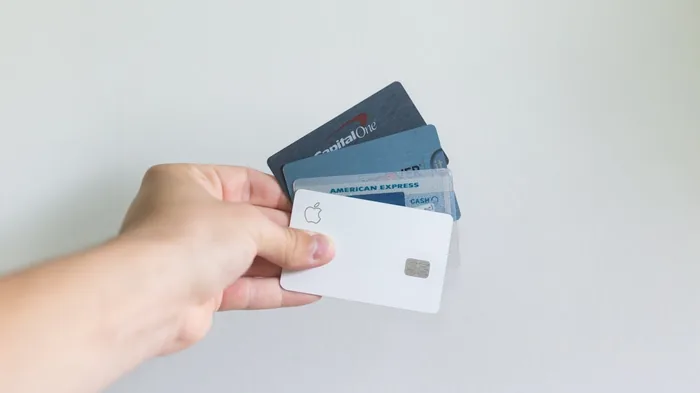
The era of big banks with branches on every corner and a fee for every service is being challenged by a new wave of financial innovation. With their agile, customer-centric approach, digital banks have transformed the credit card from a costly, bureaucratic product into an accessible tool packed with benefits. The absence of an annual fee is just the tip of the iceberg. These cards are the gateway to complete financial ecosystems where transparency and user experience rule.
Forget the paperwork, the long lines, and the endless calls to customer support. The value proposition of digital banks is clear: simplicity, control, and cost-effectiveness. Through intuitive apps, you can apply for a card, track your spending in real time, generate virtual cards for online shopping, and access benefits once reserved for high-income segments. This paradigm shift has not only democratized access to credit but has also forced traditional institutions to rethink their own strategies. In this competitive landscape, the winner is the consumer, who now has a range of powerful options available at no cost.
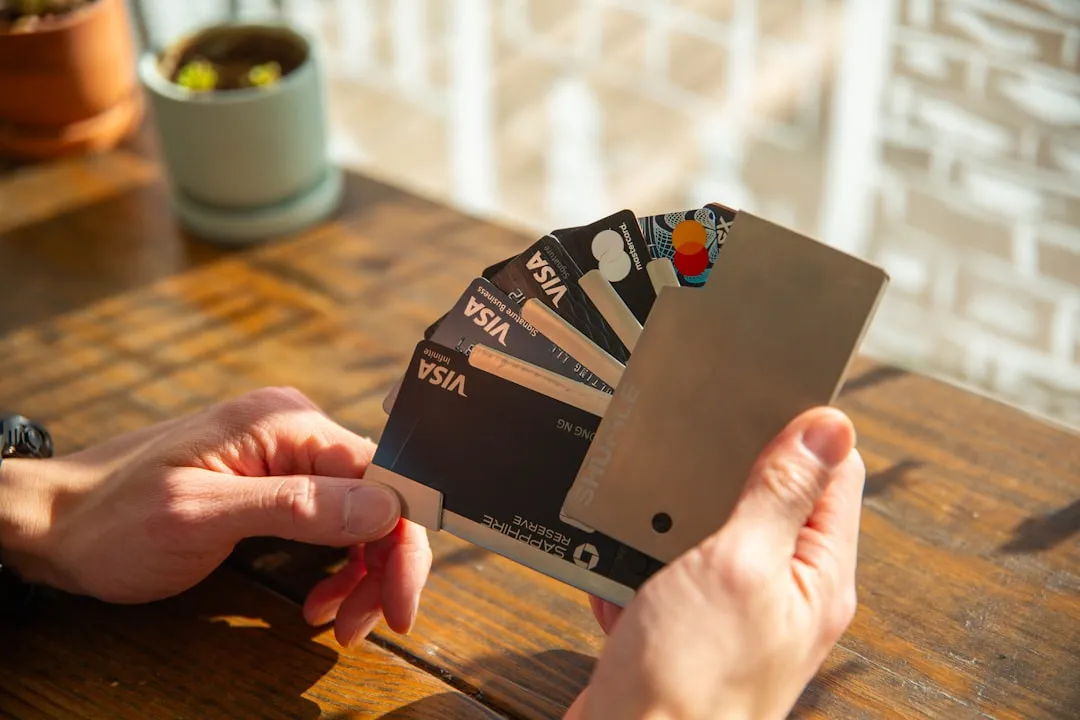
🚀 The Rise of Challenger Banks: More Than Just Zero Fees
The popularity of no-annual-fee cards from digital banks isn’t an isolated phenomenon; it’s the result of a profound transformation in the financial sector. A decade ago, the idea of getting a credit card without visiting a branch or paying annual fees seemed like a distant dream. Today, it’s the norm for millions. This revolution was driven by so-called “challenger banks”—fintechs born with digital DNA and a clear mission: to eliminate the friction and unnecessary costs associated with traditional banking. By operating without expensive physical branch infrastructure, they can pass these savings directly on to their customers.
This paradigm shift is clear in the numbers. A McKinsey report on the global payments sector highlights the exponential growth of digital transactions and the rapid adoption of app-based financial solutions. The story of Jane, a young freelance designer, perfectly illustrates this movement. Tired of her traditional bank’s account maintenance fees and her card’s annual fee, she decided to try a digital bank. In less than 10 minutes, using just her smartphone, she opened an account, applied for a card, and was approved. Today, she manages all her finances from the palm of her hand, invests her cashback rewards, and uses virtual cards to secure her online purchases—all without paying a single cent in maintenance or annual fees.
The real advantage of these digital banks goes beyond savings. They have built ecosystems where the credit card is just one piece of a larger puzzle. User experience (UX) is the central pillar, offering features that provide unprecedented control and security. For example:
- Real-Time Notifications: Every transaction triggers an instant alert in the app, allowing for immediate detection of any suspicious activity.
- Instant Freeze and Unfreeze: Lost your card? With a single tap in the app, you can freeze it and unfreeze it as soon as you find it, no need to contact a call center.
- Flexible Limit Adjustment: Users can adjust their own credit limit through the app, providing more autonomous and responsible financial management.
- Seamless Digital Account Integration: Paying your bill is simplified, debiting directly from your digital account balance, often with options for scheduling or auto-pay.
📊 Unlocking Real Value: Cashback, Points, and the Integrated Ecosystem
The zero annual fee is the initial hook, but the real competition among the best digital bank cards happens in the realm of tangible benefits. Savvy users know that a credit card should “work” for them, generating value with every purchase. The key players in the digital market understood this perfectly and have developed sophisticated rewards programs that were once exclusive to premium cards with high annual fees. The secret is choosing the card whose rewards system best aligns with your spending habits and financial goals.
Cashback is perhaps the most popular and straightforward benefit. Instead of accumulating complex points, you receive a percentage of your spending back, either directly into your account or as a statement credit. However, not all cashback is created equal. Some cards offer a flat rate on all purchases, while others feature bonus categories for specific spending, like dining or transportation. An innovative twist is “investback,” where cashback is automatically invested into a fund, helping users build wealth passively. This approach, which blends spending with investing, is a hallmark of the value proposition of many neobanks.
Beyond cashback, points programs remain a robust option, especially for travelers. The advantage with digital banks is flexibility and transparency. Their apps clearly show how many points are earned per transaction, their conversion value, and redemption options, which can include:
- ✈️ Airline Miles: Transfer points to partner airline loyalty programs.
- 🛍️ Products and Services: Exchange points for items in a proprietary marketplace or with retail partners.
- 💸 Statement Credit: Use points to pay down part or all of your credit card bill.
Comparative Table of Benefit Models
| Digital Card Type | Main Benefit | How It Works | Best For |
|---|---|---|---|
| The Everyday Pragmatist | Direct Cashback | Receive a flat percentage (e.g., 1%) back on all purchases, credited to your account or statement. | Those who want simplicity and a direct financial return without complications. |
| The Connected Traveler | Flexible Points | Accumulate points that can be transferred to airline loyalty programs or used for services. | Frequent travelers who want to optimize mile accumulation for flights. |
| The Smart Investor | Investback | The percentage back is automatically invested in a predefined investment fund. | Those who want to build long-term wealth by turning expenses into investments. |
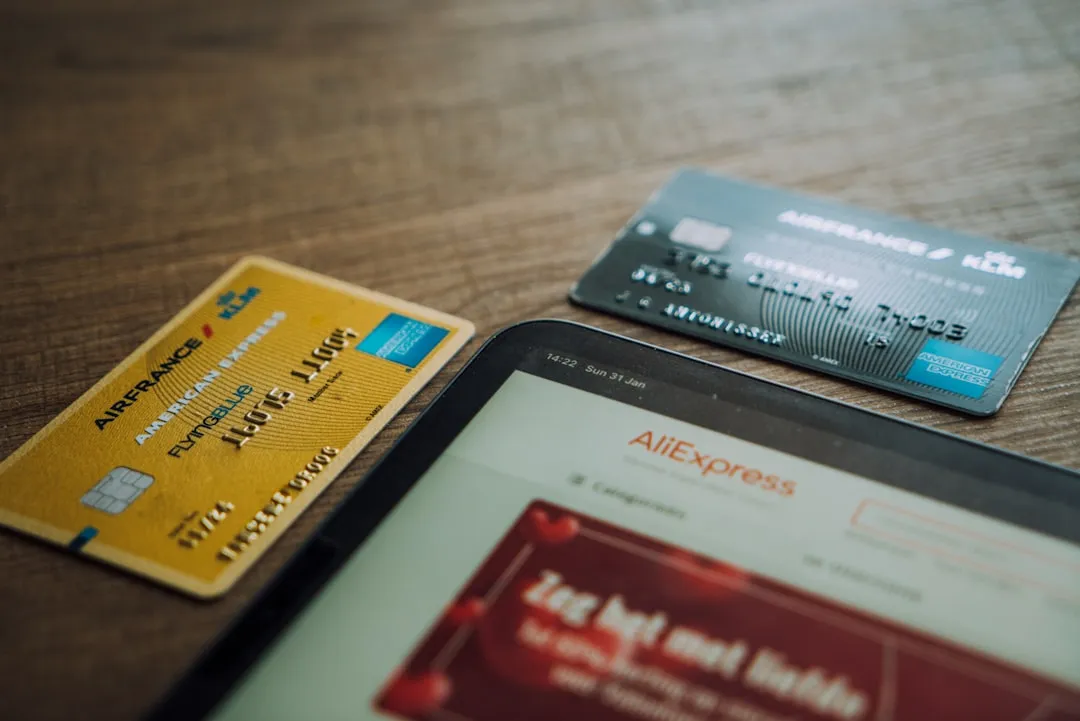
Beyond Cashback: The Power of the Integrated Ecosystem 🌐
In the first part of this analysis, we focused on direct benefits like cashback and no annual fees. Now, let’s dive into a differentiator that transcends simple transactions: the ecosystem. Digital banks don’t just offer a card; they deliver a centralized financial life platform. The no-annual-fee card is the gateway to this interconnected universe.
Imagine this scenario: Anne started using a digital bank’s card, attracted by the lack of fees. Every time she pays for her morning coffee or streaming subscription, a small percentage of the value comes back as cashback. At a traditional bank, this amount would be forgotten on a statement. In her digital bank’s ecosystem, this cashback is automatically funneled into a “vault” or “goal” she named “Trip to Europe.” This small amount starts earning interest daily, boosted by other app features, like low-risk investments she can make with just a few taps.
That’s the magic of the ecosystem. The credit card ceases to be a mere payment tool and becomes a catalyst for financial goals. Banks like Nubank with its “Caixinhas” (money boxes) or Inter with its integrated investment platform (Inter Invest) perfectly exemplify this concept. Card usage directly fuels other areas of your financial life, creating a virtuous cycle:
- 📈 Simplified Investments: Your card’s cashback or points can be converted into shares of investment funds, stocks, or cryptocurrencies directly within the app.
- 🛡️ Insurance and Savings Plans: The relationship built through card usage can lead to personalized offers for life insurance, phone insurance, or retirement plans with more attractive terms.
- 🛍️ In-App Marketplace: Many digital banks, like Inter Shop and C6 Store, offer robust marketplaces. By shopping through them with the bank’s card, you earn supercharged cashback, far exceeding the standard rate, creating real savings on purchases you would have made anyway.
This integration transforms spending into a strategy. It’s no longer about “how much do I get back?” but rather “how is my spending today building my tomorrow?” In this context, the absence of an annual fee isn’t just a saving—it’s the removal of any barrier to accessing a complete and intelligent financial command center.
Security and Control in the Palm of Your Hand: The Virtual Card Revolution 🔒
One of the biggest fears in the financial world has always been security. Losing a physical card or having its data cloned in an online purchase was synonymous with headaches, long calls to support centers, and days of waiting for new plastic. Digital banks have radically transformed this scenario, putting control and security directly in the user’s hands, with the virtual card as the star of this revolution.
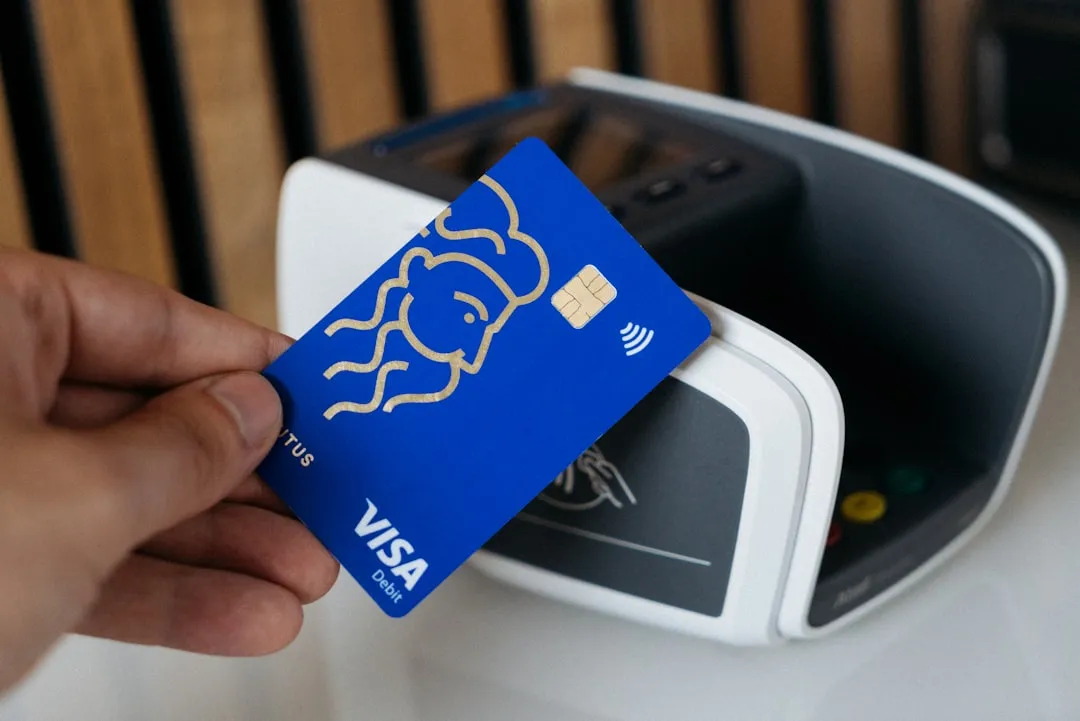
The no-annual-fee cards from these fintechs invariably come with robust virtual card functionality, usually in two forms:
- Recurring Virtual Card: Ideal for subscription services like Netflix, Spotify, or gym memberships. It has a fixed number, different from your physical card. If one of these service’s websites suffers a data breach, you can simply delete and generate a new virtual card in seconds, without having to replace your physical card and update your payment details everywhere else.
- Single-Use (Temporary) Virtual Card: This is the ultimate fortress of security for online shopping. Imagine you’ve found an amazing deal on a site you’re not familiar with. Instead of risking your main card details, you generate a temporary card that expires shortly after the first transaction. If any malware captures this data, it will be useless. It’s the digital equivalent of paying with cash.
This technology goes beyond convenience; it empowers the consumer. The ability to instantly freeze and unfreeze the card through the app, adjust limits in real time, and receive notifications for every transaction creates a layer of transparency and control that was unthinkable in the traditional banking model. According to a report by Kaspersky, using secure payment methods like virtual cards is one of the top recommendations for preventing online financial fraud. Digital banks don’t just offer this—they make it the standard.
The Gateway to the Premium World: Upgrade Strategies 🚀
Many see the no-annual-fee card as the end goal, but the most strategic users see it as the starting point. For digital banks, this card is a way to get to know you. They use data intelligence to understand your spending habits, your payment timeliness, and your engagement with the platform. Building a good relationship with your digital bank through the free card is the fastest way to unlock premium products, like the coveted Black or Infinite cards, often with the annual fee waived based on spending or investments.
Consider the case of Mark, a young professional who started with a basic card from C6 Bank. Initially, he only used it for small expenses. Over time, he decided to consolidate all his monthly spending—groceries, gas, bills—onto this card. He always paid the full balance before the due date. At the same time, he started exploring C6 Invest and moving some of his savings into the bank’s CDs. In less than a year, C6 Bank offered him an upgrade to the C6 Carbon card (equivalent to a Mastercard Black), with access to airport lounges, points that don’t expire, and other luxury benefits. The annual fee, which would normally be high, was waived due to his investment volume on the platform.
This upgrade journey is a two-way street. You prove you’re a valuable customer, and the bank rewards you with its best products. Here are some strategies to accelerate your upgrade:
- Consolidate your spending: Use the digital bank’s card as your primary payment method to build a robust spending history.
- Be a reliable payer: Always pay your full balance on time. This is crucial for building your internal credit score.
- Explore the ecosystem: Use the bank’s other products, such as investments, direct deposit, or insurance. This increases your “relationship score.”
- Keep your information updated: Inform the bank of any income increases so they can re-evaluate and raise your credit limit, an important step toward an upgrade.
The no-annual-fee card isn’t just about saving money; it’s about building relationship capital with a modern financial institution that values and rewards engagement.
Your Financial Journey Starts with a Smart Choice ✨
Throughout these two parts, we’ve revealed that the best no-annual-fee cards from digital banks are much more than just a piece of plastic for making purchases. They are the key to an integrated financial ecosystem, a personal security fortress, and a strategic launchpad for premium benefits. They represent a fundamental shift in how we relate to our money, trading bureaucracy and fees for control, intelligence, and opportunity.
Choosing a credit card today shouldn’t just be based on the absence of an annual fee. It should consider the robustness of the app, the intelligence of the ecosystem, the layers of security, and the growth potential it offers. Digital banks are at the forefront of this transformation, as highlighted by various industry analyses, such as those from Forbes Advisor on the best online banks.
Don’t wait any longer to take charge of your financial life. The digital banking revolution has already happened, and the benefits are within your reach. Analyze your options, download the app of the bank that resonates most with you, and take the first step. Control of your financial future is, literally, just a tap away.
Frequently Asked Questions
Why choose a no-annual-fee card from a digital bank over a traditional one?
Digital bank cards typically offer a more agile and less bureaucratic experience, with all management handled through an intuitive app. Since their cost structure is leaner without physical branches, they can waive annual fees more easily. Furthermore, they often innovate with features like virtual cards for safer online shopping, instant card freezing/unfreezing, and real-time purchase notifications, giving users more control and security.
Does “no annual fee” mean the card is completely free?
Not necessarily. “No annual fee” means there’s no yearly charge for maintaining the card. However, other fees may apply, such as interest on revolving credit (if you don’t pay the full balance), late payment penalties and interest, and foreign transaction fees on international purchases. It’s crucial to read the cardholder agreement and understand all potential charges to avoid surprises and use the card responsibly.
Do I need a high credit score to get one of these cards?
The criteria vary among digital banks. Some are known for being more flexible and use multiple factors in their analysis, making them a good entry point for those building their credit history. Others, especially those offering higher limits or additional benefits, may require a more robust credit score. The key is to maintain a good payment history on all your accounts to increase your chances of approval with any institution.
Can digital bank cards be used for international purchases?
Yes, the vast majority of credit cards offered by digital banks are enabled for international use. You can use them for purchases on foreign websites and while traveling abroad. However, be aware of the costs: transactions typically incur the day’s exchange rate, a spread (the bank’s markup on the exchange rate), and a foreign transaction fee. Check your bank’s specific terms in the app before using the card internationally.
How do I choose the best no-annual-fee card for my profile?
To choose the ideal card, analyze your spending habits and goals. Do you prefer cashback, points for products, or miles for travel? Compare the rewards programs, as conversion rates vary. Also, evaluate other factors like the app’s quality and usability, the customer service reputation, and whether the bank offers other integrated products that could be useful to you, such as investment accounts or insurance.