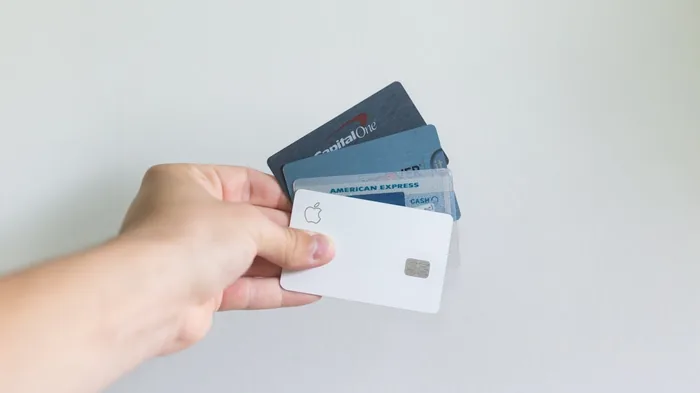
Getting a “loan denied” notification can be disheartening. Whether you need to consolidate debt, handle an emergency home repair, or invest in a small business, a loan rejection can feel like an insurmountable obstacle. However, instead of seeing this as an endpoint, think of it as a strategic detour. The reason behind most loan rejections is tied to credit history. What if there was a tool designed specifically to build or rebuild that foundation, opening the door to future approvals? This is precisely where the secured credit card comes in—not as a consolation prize, but as the first smart step on your financial recovery journey.
From a Loan Rejection to a Credit-Building Catalyst ✨
Let’s imagine the story of Jane. She needed a small personal loan of $3,000 to fix her car, which is essential for her job. With a stable income, she believed approval would be straightforward. However, after submitting her loan application, she received the dreaded denial. The reason? An “insufficient credit history.” Jane had never owned a credit card and always paid her bills on time, but since those transactions weren’t reported to the credit bureaus, she was virtually invisible to the financial system. The frustration was immediate, but Jane’s situation highlights a crucial point about the credit system: it’s not just about avoiding mistakes but actively building a positive history.
A loan denial acts as a diagnosis. Lenders analyze various factors to measure risk, and a rejection usually points to one or more areas that need attention. For millions of people like Jane, the problem isn’t a bad history, but a lack of one. For others, it might be a reflection of past late payments or a high debt-to-income ratio. Understanding the root cause is the first step toward finding a solution.
- 💡 Thin (or Nonexistent) Credit History: Not enough data to assess your financial behavior.
- 💡 Low Credit Score: Past mistakes, such as defaults or late payments, negatively impact your score.
- 💡 High Debt-to-Income Ratio: Your current debts consume a large portion of your monthly income, signaling risk for new loans.
- 💡 Income Instability: Recent fluctuations in employment or income can create uncertainty for the lender.
It’s in this scenario that the secured credit card transforms from a simple alternative into a strategic tool. Unlike a traditional loan, where the bank assumes all the risk, a secured card requires a security deposit. This deposit, usually equal to your credit limit, eliminates the risk for the financial institution. For you, it offers a golden opportunity: the chance to prove your financial responsibility. Every small purchase and every on-time payment is reported to the credit bureaus, actively building the positive history that loan lenders want to see.
The Mechanics of a Secured Card: A Deposit That Unlocks Your Future 💳
The concept behind a secured credit card is elegantly simple: you provide a cash deposit, which the card issuer holds as collateral. This amount, which can range from $200 to $2,000 or more, typically becomes your credit limit. For example, a $500 deposit will give you a $500 credit limit. This structure completely mitigates the risk for the lender. If, for any reason, you fail to pay your bill, the company can use your deposit to cover the outstanding balance. For the user, this means a much higher approval rate compared to traditional loans and credit cards, making it accessible even for those with bad or no credit.
Returning to Jane’s case: after her loan was denied, she researched and applied for a secured credit card. She made a $400 deposit and received a card with a $400 limit. Instead of using it for large expenses, she dedicated it to a specific purpose: fueling her car, a regular monthly expense she already had. Every month, she spent about $150 on the card and, as soon as the statement was issued, she paid the full balance immediately. To credit bureaus like Serasa or SPC Brasil, this activity was indistinguishable from that of an unsecured credit card user. In just six months of consistent use and on-time payments, Jane’s credit score began to grow steadily, moving from non-existent to a solid foundation.
The secret to maximizing the benefit of a secured card lies in disciplined use. It’s not about having more purchasing power, but about demonstrating solid financial habits. Statistics from major credit scoring models, like the FICO Score, show that payment history accounts for approximately 35% of your total score—the most important factor. Therefore, strategically using a secured card directly impacts the most critical area of your credit profile. The key is to follow a few simple rules to accelerate your progress:
- ✅ Use the Card Regularly: Make at least one small purchase per month to ensure there is activity to report.
- ✅ Keep Utilization Low: Aim to use less than 30% of your credit limit. In Jane’s case, with a $400 limit, spending $150 keeps her in a good range, but ideally, staying below 10% ($40) is even better.
- ✅ Pay the Bill in Full: Avoid carrying a balance and paying interest. Paying 100% of your bill every month demonstrates financial control.
- ✅ Always Pay on Time: A single late payment can undo months of good behavior. Set up automatic payments if needed.
Secured, Unsecured, and Prepaid: Decoding Your Options 📊
In the world of cards, it’s easy to get confused by the terminology. However, understanding the fundamental differences between a secured, an unsecured, and a prepaid card is vital, especially after having a loan denied. A secured card, as we’ve seen, is a credit-building tool that uses your own money as collateral. An unsecured card is the traditional credit card, granted based on your creditworthiness and financial history—this is the ultimate goal. A prepaid card, on the other hand, functions more like a debit card: you load money onto it and can only spend what you’ve deposited. It doesn’t involve credit and, therefore, does not help build your history.
The best way to visualize the distinctions is through a direct comparison. Each type of card serves a specific purpose, and choosing the wrong one can delay your financial goals. For someone looking to strengthen their profile for future loan approvals, the choice between a secured and a prepaid card is the most critical, as only the former offers the benefit of reporting your activity to the credit bureaus.
| Feature | Secured Card | Unsecured Card | Prepaid Card |
|---|---|---|---|
| Security Deposit | Yes, required to secure the credit limit | No, credit is granted based on trust | No (you load the balance you will use) |
| Builds Credit History? | Yes, reports to credit bureaus | Yes, this is its primary function | No, functions like digital cash |
| Risk to Issuer | Very Low | High | None |
| Main Purpose | Build or rebuild credit | Payment convenience and rewards | Budget control or alternative to a bank account |
Looking at the table, it’s clear why a prepaid card, while useful for budgeting, doesn’t solve the fundamental problem that led to the loan denial: the lack of a positive credit history. The secured card is the only accessible option that directly addresses this issue. It serves as a bridge, a financial training period that, over time, leads to “graduating” to an unsecured card and, more importantly, significantly increases your chances of being approved for the loans you need in the future.
💳 From a Secured Card to a Personal Loan: Translating Trust into Credit
When a lender denies a loan application, they aren’t making a value judgment about you, but rather a risk assessment based on data. The message is clear: “Right now, we don’t have enough data to trust that you will honor this financial commitment.” This is where a secured credit card becomes your greatest strategic ally. It’s not just a payment method; it’s a tool for generating the language that lenders understand: a positive and consistent payment history.
Think of your credit report as your financial resume. A loan denial indicates that your resume is incomplete or has blemishes. Every on-time payment made with your secured card is like adding a new skill or a glowing letter of recommendation. Institutions like Experian highlight that payment history accounts for about 35% of your FICO credit score, the single most important factor. By using the secured card responsibly—for small purchases you would make anyway, like your morning coffee or a streaming service subscription, and paying off the bill in full every month—you are actively writing a new chapter in that resume. You are demonstrating, month after month, that you are a reliable borrower, turning perceived risk into a safe bet for future personal loans.

⏳ The Waiting Game: How Long Does It Take for a Secured Card to Impact Your Loan Application?
Rebuilding credit isn’t a sprint; it’s a marathon. The eagerness to apply for a new loan is understandable, but patience is key. Generally, it takes 6 to 12 months of consistent, responsible use of a secured card for credit bureaus (like Experian, Equifax, and TransUnion) to accumulate enough data to have a significant impact on your score.
Let’s take the story of Carlos. At 28, his loan application to consolidate small debts and start a certification course was denied. His score was low due to unpaid credit card bills from his college days. Frustrated but determined, he researched and opened a secured credit card with a $500 deposit, which became his limit. He adopted a simple strategy: he used the card only to fill up his car’s gas tank once a month, a fixed expense of about $150. Immediately after using it, he would transfer the amount to a separate account, ensuring the money to pay the bill was always available.
In the first 3 months, the change in his score was minimal. By the sixth month, he saw a 40-point increase. After 10 months of flawless payments, keeping his utilization consistently below 30%, his score had jumped by over 100 points. The bank that issued his secured card offered him an “upgrade” to a traditional (unsecured) credit card and returned his deposit. In the twelfth month, Carlos reapplied for a loan of a similar amount to his original request. This time, with a year-long history of perfect payments, he was not only approved but also secured a lower interest rate than he had expected. Carlos’s story illustrates that consistency transforms a small security deposit into a passport for loans and other financial opportunities.
🔍 Beyond the Plastic: Additional Factors Loan Lenders Analyze
Having an improved credit score thanks to your secured card is a giant leap forward, but loan lenders look at the bigger picture of your financial health. The card is your foot in the door, but to get approved, especially for larger amounts, other elements need to be in line. Think of it like a job interview: your resume (your score) gets you the interview, but your performance (other factors) lands you the job.
Here are other crucial factors that lenders evaluate:
- Debt-to-Income (DTI) Ratio: This is one of the most important indicators. It measures how much of your gross monthly income goes toward paying off debts. The Consumer Financial Protection Bureau (CFPB), a global benchmark, suggests that a DTI below 43% is ideal for most lenders. The financial discipline learned from using a secured card can help you better manage your finances and reduce other debts, improving your DTI.
- Income and Employment Stability: A stable employment history and a consistent source of income give the lender confidence that you will be able to repay the loan. Being at the same job for over a year, for example, is a very positive sign.
- Banking Relationship: While not a requirement, having a prior relationship with the financial institution where you are applying for the loan (such as an active checking or savings account) can sometimes work in your favor.
- The Purpose of the Loan: The reason for the loan also matters. A loan to consolidate high-interest debt or to invest in education may be viewed more favorably than a loan for non-essential consumer spending.
The secured card is your tool to prove responsibility, which, in turn, improves the most heavily weighted factor in your loan application: your credit history.
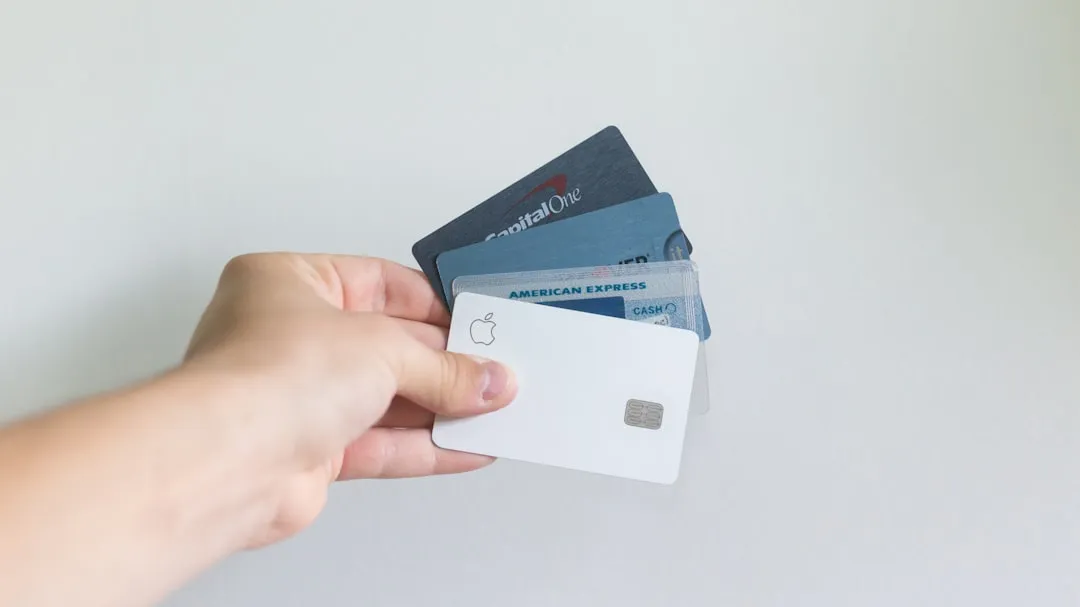
🚀 Your Journey Back to Credit Starts Now
A closed door in the form of a loan denial is not the end of the road. On the contrary, it’s a clear sign that it’s time to take a new, more strategic, and conscious path. The secured credit card is the first firm and safe step in this new direction. It allows you to stop being a passive spectator of your credit score and become the active architect of your financial reputation.
Every bill paid on time is a brick you lay in the foundation of a solid financial future—a future where you have access to loans with fair rates, financing to achieve your dreams, and the peace of mind that comes from being in control. Don’t view the need for a secured card as a step back, but rather as the most powerful learning and rebuilding tool at your disposal.
Act now. Research the available secured card options, choose one with reasonable fees that reports to the major credit bureaus. Create a plan for modest use and a foolproof system for paying the bill in full every month. The journey of a thousand miles begins with a single step. Take that step today and turn a loan rejection into a springboard for your financial success. Your future self will thank you.
Frequently Asked Questions
Why does a secured credit card help me get a loan in the future?
A secured credit card helps because your payment history is reported to the credit bureaus. By making on-time payments and keeping your balance low, you demonstrate financial responsibility. This builds a positive credit history, increasing your credit score. Lenders see this higher score and positive history as a sign of low risk, which significantly increases your chances of being approved for a loan in the future.
What is the main difference between a secured and a traditional credit card?
The main difference is the requirement of a security deposit. With a secured card, you provide a cash deposit that typically becomes your credit limit. This deposit protects the card issuer. A traditional (unsecured) credit card does not require this deposit, as approval is based solely on your creditworthiness and history. Functionally, for purchases and payments, both work in the same way.
How much do I need to deposit for a secured credit card?
The deposit amount varies by financial institution but generally starts around $200 to $500. In most cases, your credit limit will be equal to the amount you deposited. For example, a $300 deposit will give you a $300 credit limit. Some issuers may allow for higher deposits, up to $2,500 or more, for those who want a larger credit limit.
Can I get my security deposit back?
Yes, the security deposit is fully refundable. You can get it back in one of two ways: by closing the card account (as long as there is no outstanding balance) or when the financial institution “graduates” you to an unsecured credit card. This graduation usually occurs after 6 to 12 months of responsible use, as proof that you no longer represent a high credit risk.
How long does it take to improve my credit score with this type of card?
Although results vary, many users see improvements in their credit score within 6 to 12 months of consistent and responsible use. To maximize the impact, always make payments on time, use less than 30% of your credit limit, and avoid taking on other new debt. Consistency is the most critical factor in building a solid and lasting credit history.