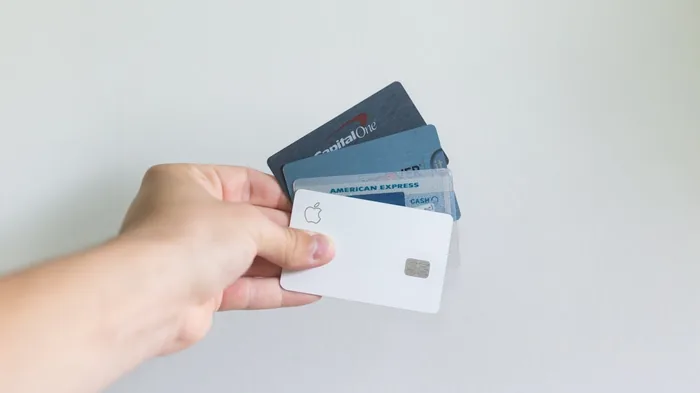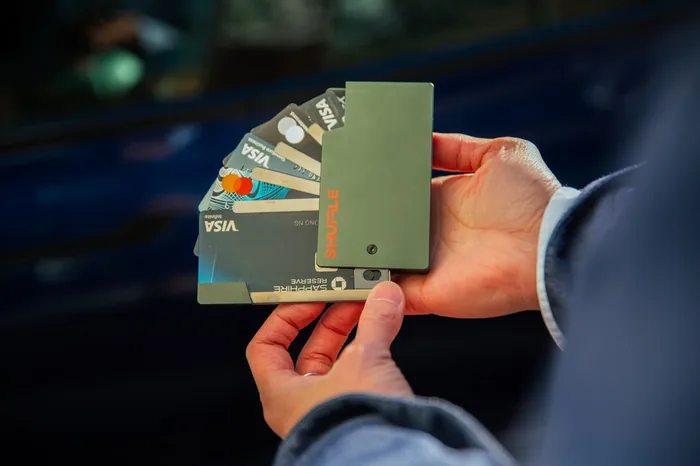
The idea of using plastic to cover a significant part of a car purchase seems, at first glance, like a risky financial maneuver. Traditionally, money for a vehicle’s down payment comes from savings, the sale of an old car, or a personal loan. However, in a world where **credit cards** rewards programs have become increasingly lucrative, the question arises more often: what if this transaction could earn you hundreds of dollars in cashback, miles for a dream trip, or even the welcome bonus of a new card?
The answer isn’t a simple “yes” or “no.” Using your credit card for a car down payment is a strategy that walks a fine line between financial genius and disaster. For some, it can be a shortcut to maximizing rewards on an already planned expense. For others, it can turn into a high-interest debt that nullifies any initial benefit and complicates long-term financial health. Navigating this decision requires a clear understanding of the dealership’s policies, your card’s terms, and, most importantly, your own financial discipline.
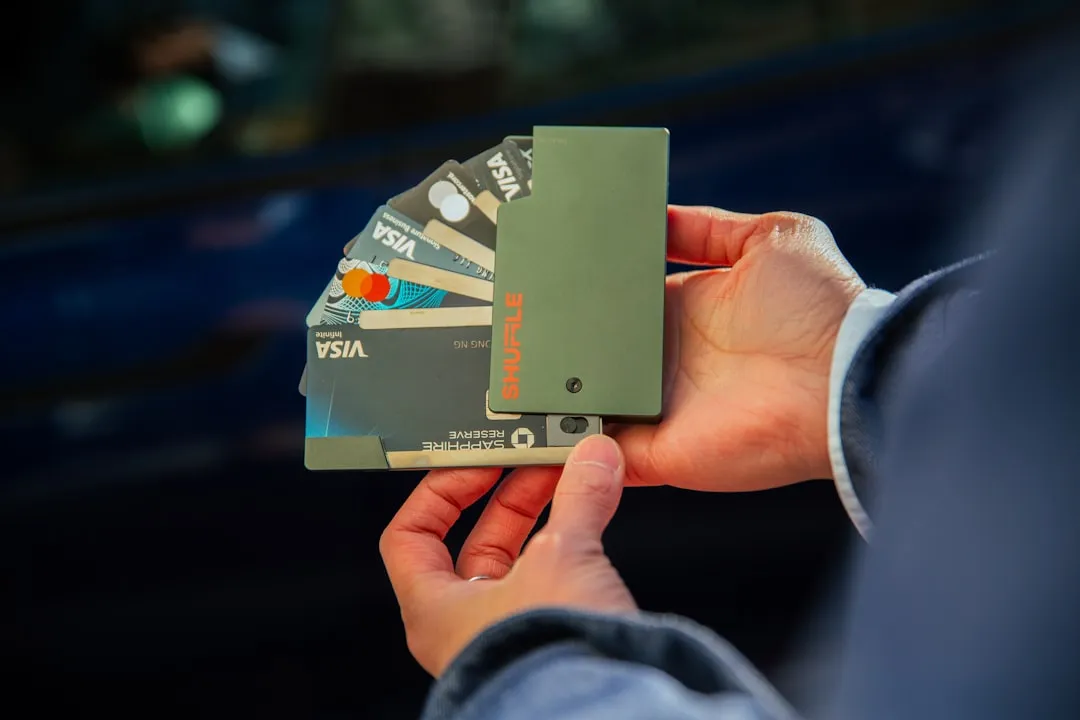
🔓 A Shortcut to Elite Rewards: The Allure of a Large Transaction
The main attraction of using a credit card for such a large expense is the opportunity to accumulate a massive amount of rewards all at once. Picture this: you’re planning to make a $5,000 down payment on your new car. If you simply transfer that amount from your bank account, the return is zero. Now, imagine using a new credit card with a welcome bonus offer that requires a $4,000 spend in the first three months to earn 60,000 points. With a single transaction at the dealership, you not only meet the requirement but exceed it, instantly securing the equivalent of hundreds of dollars in travel or cashback.
This earning potential isn’t limited to sign-up bonuses. Even with a card you already own, the benefits can be substantial. The math is simple: a $5,000 down payment on a card that offers 2% cashback on all purchases results in $100 back in your pocket. If it’s a premium airline miles card, that same transaction could mean 5,000 to 10,000 miles, enough for a round-trip domestic flight. For points strategists, known as “travel hackers,” this is a golden opportunity to:
- Meet a Welcome Bonus Requirement: Many of the best **credit cards** bonuses require a significant spend in a short period, something most daily expenses can’t easily achieve.
- Reach Elite Status: Some airline or hotel credit cards offer elite status (with perks like upgrades and late checkout) after hitting a certain annual spending threshold. A car down payment can catapult you to that level.
- Maximize the Return on an Inevitable Expense: You were going to spend the money anyway. Using a credit card allows that money to “work” for you one last time before it leaves your account.
The story of Amanda, a marketing consultant, perfectly illustrates this potential. She was eyeing a luxury credit card that offered airport lounge access and a 75,000-point bonus, but the $6,000 spending requirement in three months intimidated her. When it was time to trade in her car, she negotiated with the dealership to pay $6,000 of the down payment with her new card. The result? She earned the bonus, which she used to book a five-star hotel for her European vacation, turning a routine expense into a luxury experience. This is the promise that attracts so many consumers to consider this strategy.
🚦 The Dealership’s Gatekeeper: Navigating Fees and Acceptance Policies
Before you even start calculating points and miles, there’s a fundamental hurdle to overcome: the dealership itself. The reality is that many of them are not thrilled about accepting large credit card payments. The reason for this is processing fees, also known as interchange fees. Every time a customer uses a credit card, the merchant (in this case, the dealership) pays a percentage of the transaction (usually between 1.5% and 3.5%) to the card issuer. On a $5,000 sale, this could mean a loss of $75 to $175 for the dealership, eroding their profit margin.
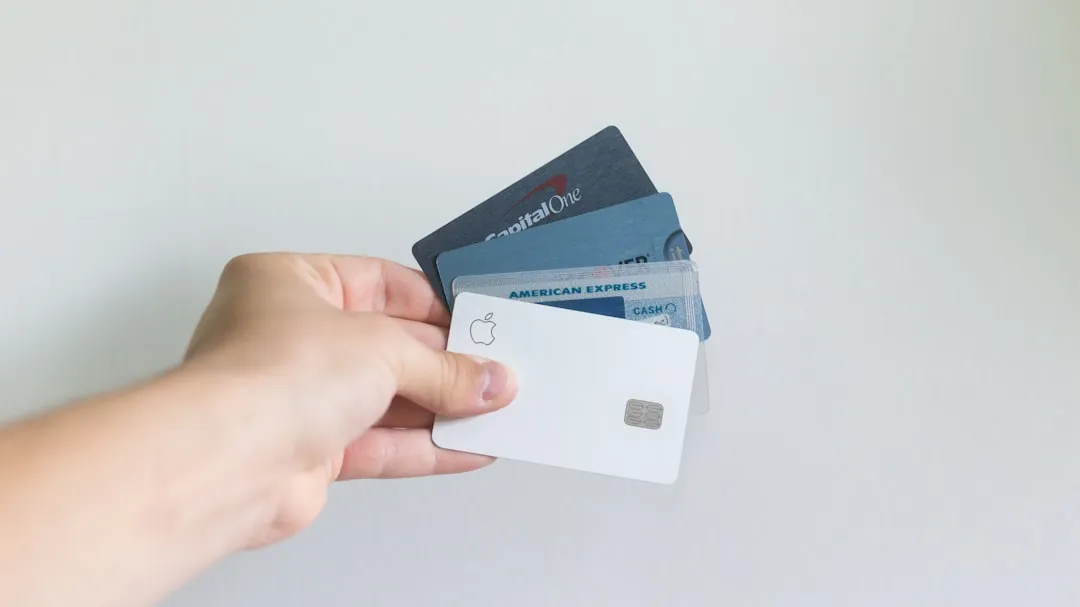
Because of these costs, you’ll encounter a variety of policies when trying to use your credit card. It’s crucial to investigate this before you sit down to sign the papers. Calling the dealership’s finance department and asking directly is the first step. The policies generally fall into one of these categories:
- No restrictions: Some dealerships, especially high-volume ones, may accept any amount on a credit card as a way to facilitate the deal and improve the customer experience. This is rare, but it happens.
- A limit on the amount: This is the most common policy. The dealership may set a cap, such as $3,000 or $5,000, that they are willing to accept via credit card. Any amount above that must be paid by check, transfer, or financing.
- Charging a convenience fee: To offset the interchange fees, some dealerships will pass the cost on to you in the form of a “convenience fee” of around 3%. This almost always negates the value of the rewards you would earn, making the strategy pointless.
- Outright refusal: Some dealerships simply do not accept **credit cards** for vehicle payments, limiting their use to service or parts only.
Knowing which policy the dealership follows is critical. Carlos, a software engineer, learned this the hard way. He was counting on the down payment to hit a travel bonus but only found out at the negotiating table that the dealership had a $2,000 limit for credit cards. He missed the opportunity because he didn’t ask in advance. The lesson is clear: treat the payment policy with the same importance as the car’s price. Include the question, “What is your limit for a credit card down payment and are there any fees?” in your initial conversations. In some cases, your willingness to pay a portion with a credit card might even be used as a negotiating point to close the deal.
⚖️ The APR Tightrope: Balancing 0% Intro Offers with Long-Term Debt
Assuming you’ve found a dealership that accepts your card and doesn’t charge fees, the next step is to look at your own financial plan. The safest and most recommended strategy is to use the credit card as a simple payment intermediary—that is, to pay off the full balance as soon as the transaction posts, using money you’ve already saved. However, many people are tempted by the possibility of financing the down payment using a card with a 0% Annual Percentage Rate (APR) introductory offer, typically for 12 to 21 months. It seems like a perfect solution: you get the car, earn the rewards, and have over a year to pay off the down payment without interest.
This approach, however, is a financial tightrope. The danger lies in what happens if you can’t pay off the entire balance before the introductory period ends. The standard interest rates on rewards **credit cards** are notoriously high, often ranging from 18% to over 28%. If a remaining balance starts accruing interest at that rate, it will not only quickly wipe out the value of any rewards you earned but could cost you much more in the long run. According to the Consumer Financial Protection Bureau (CFPB), credit card debt is one of the most expensive forms of consumer borrowing.
Let’s look at the numbers with a comparative table. Consider a $5,000 down payment on a card offering 2% cashback ($100 reward) and a 0% APR offer for 15 months, with a standard APR of 22% thereafter.
| Scenario | Payment Strategy | Interest Cost | Net Gain (Rewards – Interest) | Outcome |
|---|---|---|---|---|
| Scenario A: The Ideal | Pays $334 per month and clears the balance in 15 months. | $0 | $100 | Strategy successful. |
| Scenario B: The Dangerous | Pays only $200 per month. After 15 months, still owes $2,000. | Approximately $230 in the first 6 months after the 0% APR period. | -$130 | Strategy failed and resulted in a loss. |
As the table shows, discipline is everything. Scenario B turns a $100 gain into a $130 loss (which continues to grow) very quickly. Before using a 0% APR card for this purpose, you must have a foolproof repayment plan. This means:
- Having a solid budget: You need to know exactly where the money for the monthly payments will come from.
- Automating payments: Set up automatic transfers to ensure you never miss a payment and pay an amount that guarantees a full payoff before the promotional period ends.
- Having an emergency fund: What happens if you have an unexpected expense? An emergency fund prevents you from having to divert money meant for the card payment. As highlighted in an analysis by Forbes, average credit card interest rates continue to rise, making the cost of carrying a balance even more punitive.
💳 The Points Game: Turning an Expense into a Reward
For the strategic consumer, using credit cards for a car down payment isn’t about financing a need, but about maximizing an opportunity. Think of Ana, a financial planner who was eyeing a family SUV. She knew she would need a $15,000 down payment. Instead of simply transferring the money from her savings, she devised a meticulous plan.
Ana researched and applied for a new travel credit card that offered a substantial sign-up bonus: 100,000 miles after spending $12,000 in the first three months. The car’s down payment was the perfect opportunity to meet this goal in one go. By paying the $15,000 at the dealership (which accepted cards with a small fee that she negotiated to split), she not only secured the car but also:
- Earned the 100,000-mile bonus, which she had already researched and knew would be enough for two round-trip tickets for a family vacation the following year.
- Accumulated additional miles on the full transaction amount, adding another 15,000 miles to her balance.
- Kept her $15,000 earning interest in a high-yield savings account for a few more weeks, until the card’s statement due date.
The secret to Ana’s success was discipline. She already had the down payment money saved, and as soon as the credit card bill arrived, she paid it in full, avoiding a single penny of interest. For her, the card wasn’t a source of credit but a rewards-leveraging tool. This strategy turns one of life’s largest expenses into a subsidy for a valuable experience.
💣 The Hidden Trap: Credit Utilization and its Impact on Your Score
While Ana’s story is inspiring, there’s a technical and dangerous side that many overlook: the impact on your credit score. One of the most important factors in calculating your credit score is your credit utilization ratio. This metric measures how much of your available credit limit you are using. Experts, like Experian, recommend keeping this ratio below 30%.
Now, imagine Carlos. He has a single credit card with a total limit of $20,000. He decides to make an $8,000 down payment on his new car using this card. Immediately, his credit utilization ratio jumps to 40% ($8,000 of $20,000). Even if Carlos plans to pay the amount off the following month, card issuers typically report the balance to the credit bureaus before the statement is paid.
The result? Carlos’s credit score could take a significant and sudden dip. This can be especially problematic if he’s planning to apply for another type of credit soon, like a mortgage. A lower score could result in higher interest rates or even a denial of credit. The irony is that by trying to optimize his car purchase, he may have harmed his medium-term financial health. The lesson here is that when using a credit card for such a large purchase, you need to understand not just the interest, but also the invisible mechanisms that govern your financial reputation.
✨ The 0% APR Strategy: Free Financing or Debt in Disguise?
A popular tactic to bypass the exorbitant interest rates of credit cards is to take advantage of 0% APR (Annual Percentage Rate) introductory offers. These credit cards provide a period, usually 12 to 21 months, during which no interest is charged on new purchases. It sounds like the perfect solution, right? An interest-free loan for your car’s down payment.
Let’s consider the case of Bruno. He didn’t have the full amount for a $10,000 down payment but got a card with a 0% APR offer for 18 months. He used the card, got the car, and planned to pay about $555 per month to clear the debt before the promotional period ended. However, life happened. Unexpected expenses arose, and for a few months, Bruno could only make the minimum payment.
At the end of the 18 months, he still owed $3,000. At that moment, the “magic” was over. His card’s interest rate jumped to the standard rate, say, 24.99% per year. Now, the remaining $3,000 balance began to accrue interest rapidly, turning what was “free financing” into an expensive and hard-to-pay-off debt. In some cases, depending on the card’s terms, interest might be charged retroactively on the entire original amount if the balance isn’t paid in full on time. The 0% APR strategy only works with rigorous and foolproof payment planning.
🏁 Conclusion: Is Your Credit Card an Accelerator or an Emergency Brake?
The decision to use credit cards for a car down payment places you at a financial crossroads. The path you take depends entirely on your preparation, discipline, and knowledge.
For the disciplined like Ana, the credit card is an accelerator. It transforms a large expense into an opportunity to earn valuable rewards, like travel and cashback, at no extra cost. It’s a financial optimization tool that, when used correctly, adds value to your life.
For the unprepared or overly optimistic, like Carlos and Bruno, the same piece of plastic becomes an emergency brake pulled at high speed. It can damage your credit score, create a cycle of high-interest debt, and complicate your financial health for years. The convenience of “swipe and go” hides complex pitfalls that demand attention.
So, before you pull out your card at the dealership, ask yourself the hard questions. Do you have the full amount to pay off the bill immediately? Have you calculated the impact on your credit utilization ratio? If you’re using a 0% APR offer, do you have a realistic and contingency-proof repayment plan? Detailed information on how to manage credit card debt can be found on personal finance portals like NerdWallet.
The key to using your credit card intelligently isn’t in the plastic itself, but in the planning that precedes it. Analyze your finances, research the best credit cards with benefits that align with your goals, and above all, have a payment plan you can stick to. Do that, and you’ll be in the driver’s seat, using your card as the powerful tool it was designed to be.
Frequently Asked Questions
Is the dealership required to accept a credit card for the car down payment?
No, most dealerships are not required to accept credit cards for a down payment. Many prefer methods like bank transfers or checks to avoid the high processing fees charged by card issuers, which can cut into their profit margins. Before planning to use your card, always confirm with the salesperson whether it’s a viable payment option and if any additional fees apply.
What are the main advantages of using a credit card for the down payment?
The biggest advantage is the ability to accumulate a large number of points, miles, or cashback, depending on your card’s rewards program. For example, a $10,000 down payment on a card that offers 2 points per dollar can yield thousands of points. It also offers convenience and can serve as short-term financing if you plan to pay the bill in full by the due date.
Are there disadvantages or risks to using a card for a down payment?
Yes, the main risk is the revolving interest, which is among the highest on the market. If you can’t pay the full balance, the cost of the down payment can increase dramatically. Another disadvantage is that some dealerships pass the processing fee on to the customer, which can cancel out the rewards benefits. A large purchase also increases your credit utilization ratio, temporarily impacting your credit score.
How does such a high-value purchase affect my credit score?
Using a large portion of your available credit limit increases your “credit utilization ratio,” a key factor for your score. For example, if your limit is $20,000 and you use $10,000, your utilization rises to 50%. Ideally, you should keep this ratio below 30%. The negative impact on your score is usually temporary and tends to normalize once you pay the bill and your balance decreases.
What should I check before deciding to swipe my card at the dealership?
First, confirm if the dealership accepts the payment and, crucially, if they charge extra fees for the transaction. Next, check if your available credit limit is sufficient to cover the down payment amount. Finally, review your card’s interest rate (APR) to understand the cost if you can’t pay off the full balance by the due date. Weigh whether the benefits (points) outweigh the potential costs.