If you have more than one credit card in your wallet, you’ve probably felt like a financial juggler. You’re dealing with different due dates, varying limits, distinct rewards programs, and multiple apps to check. The promise of convenience often turns into a complex web of information that, if not managed well, can lead to late payments, unnecessary interest, and worst of all, a loss of control over your own finances. The feeling is common: a survey by CNDL/SPC Brasil revealed that 52% of Brazilians do not effectively track their expenses.
It’s in this chaotic landscape that Open Finance emerges as a true revolution. Far from being just another technical term from the financial market, it’s a powerful tool for taking back the reins of your financial life, especially when it comes to managing credit cards. Imagine being able to view all your bills, limits, and transactions in a single place, intelligently and automatically. This isn’t a vision of the future; it’s an accessible reality that can transform the way you handle your money. Let’s uncover how this technology can simplify your routine and boost your earnings.
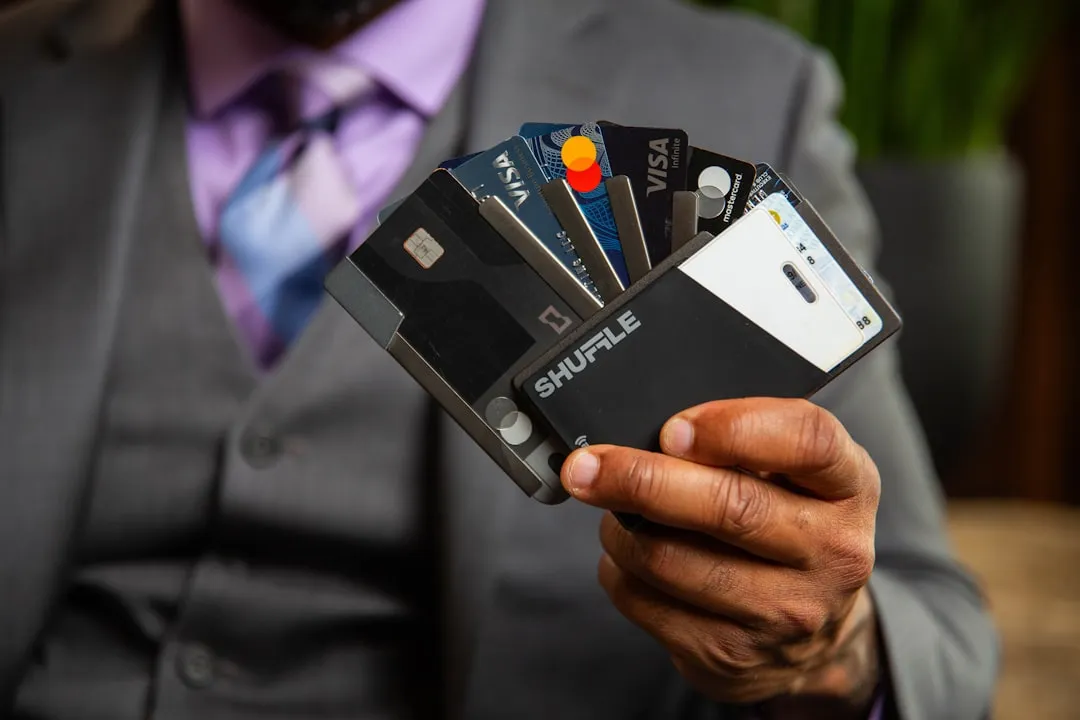
💳 The End of ‘Financial Gymnastics’: Centralizing Your Bills in One Place
Remember the last time you opened three different apps just to check the balance and due date for each of your credit cards? This fragmentation of information is one of the biggest sources of stress and error in personal finance management. Ana, a freelance designer, lived this routine. With cards from three different banks to separate personal, work, and project-specific expenses, she would spend hours at the end of the month compiling spreadsheets, constantly risking forgetting a bill and facing penalties and revolving credit interest, which are among the highest in the market.
Open Finance acts as a smart aggregator, breaking down the silos that separate your financial data. By securely granting permission, you allow an app of your choice (whether from a bank or a fintech) to “read” the information from your credit cards at other institutions. This connection, regulated by the Central Bank of Brazil, does not permit the app to perform transactions without your authorization; it only collects and organizes the data for you. The result is a panoramic, unified view of your entire credit life.
In practice, Ana’s experience was transformed. By connecting her accounts in a single app, she now has a centralized control panel. With just one login, she can see in real-time what once required considerable manual effort. The benefits were immediate:
- 🗓️ Unified Due Date Calendar: The app creates an automatic schedule with all payment dates, sending alerts to prevent you from forgetting.
- 📊 Consolidated Limit Overview: She knows exactly how much she has spent and the total available limit across all her cards, making it easier to decide on larger purchases.
- 🔔 Statement Closing Alerts: Notifications inform her when each statement closes, giving her time to plan and avoid surprises at the end of the month.
- 📈 Total Debt Tracking: The sum of all her bills is clearly displayed, offering a precise understanding of her credit debt level.
🔍 From Invisible Spending to Total Control: Mapping Your Habits with Surgical Precision
A coffee here, a ride-sharing app there, a streaming subscription over there. The great danger of the credit card lies in the small expenses that, when added up, create a hole in your budget. Tracking these financial “crumbs” across different statements is a Herculean and discouraging task. This is the so-called “invisible spending”—the kind you don’t notice but that significantly impacts your ability to save. Manually categorizing each expense from different statements is a flawed process that most people abandon within a few weeks.
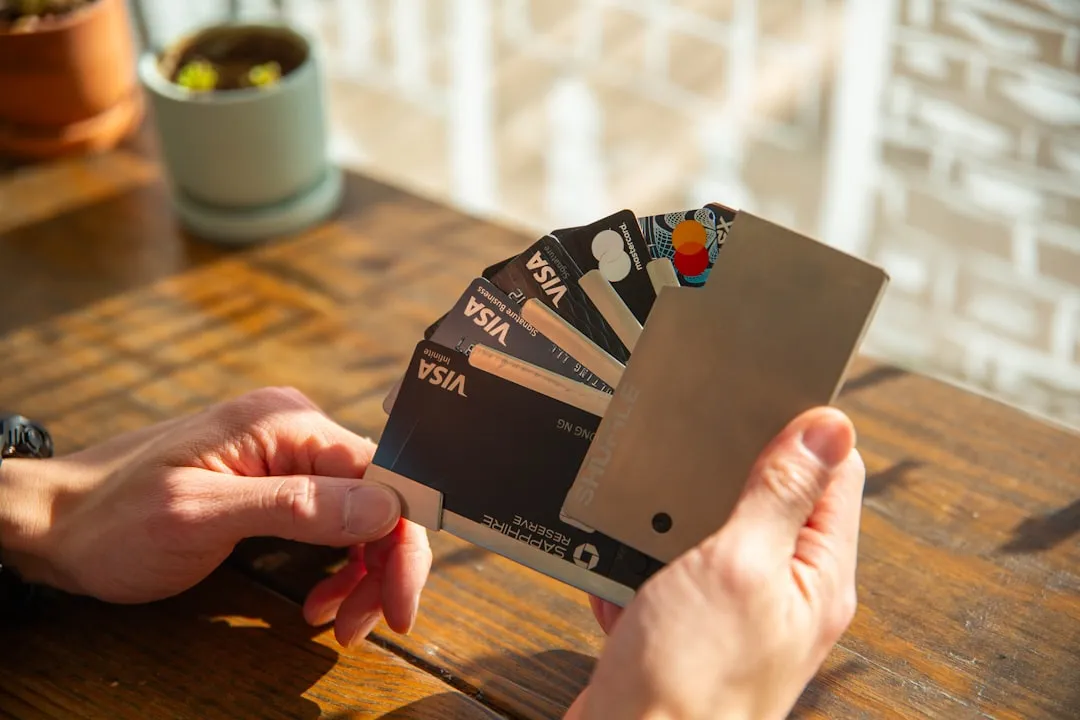
Here, Open Finance works like a private financial detective. Once the data from all your cards is centralized, automatic categorization technology kicks in. Smart algorithms analyze the merchant’s name, the amount, and the frequency of the transaction to classify each expense into categories like “Food,” “Transportation,” “Housing,” “Leisure,” and “Subscriptions.” What was once an endless list of entries becomes visual charts and reports that show you exactly where your money is going, without you having to lift a finger.
Consider the case of Carlos, an IT analyst who was convinced his spending on food delivery was no more than R$500 per month. After integrating his two credit cards and debit card into an Open Finance platform, he had a reality check. The platform added up his spending on iFood, Rappi, and local restaurants, revealing that the real cost of eating out exceeded R$950 monthly. This clarity allowed him to adjust his behavior, set a realistic goal, and, in three months, redirect over R$1,000 that would have been “invisible” into an investment. The difference in visibility is stark:
| Expense Tracking | Before Open Finance (Manual) | With Open Finance (Automatic) |
|---|---|---|
| Data Source | Multiple statements from each card. | Aggregated data from all accounts in real time. |
| Categorization | Manual, time-consuming, and prone to errors and omissions. | Automatic, intelligent, and customizable. |
| Overview | Fragmented and inaccurate, based on estimates. | Complete and precise, with detailed visual reports. |
| Decision-Making | Reactive, based on the “shock” of seeing the bill. | Proactive, based on concrete data about spending habits. |
🏆 The Benefit Treasure Hunt: Automatically Optimizing Points and Cashback
Points programs, miles, cashback, partner discounts… the universe of credit card benefits is vast, but also complex. Each card has its own rules: one might offer 2 points per dollar on international purchases, while another offers 5% cashback at supermarkets, and a third gives you access to airport VIP lounges. Trying to remember which card to use in each situation to maximize advantages is a nearly impossible task for most people. The result is that many benefits are underutilized or simply forgotten, which means leaving money on the table every month.
With Open Finance, data analysis can be used in your favor to create a personal “benefits consultant.” Specialized apps can cross-reference the information from your cards’ rewards programs with your spending habits. The platform understands where you spend the most and can identify which of your cards offers the best return for each type of expense. Instead of a decision based on chance, you get a smart recommendation in the palm of your hand.
Optimization can happen in various ways, transforming how you interact with your credit cards:
- Point-of-Sale Recommendations: Some apps can use your geolocation to suggest which card to use at a specific store to get the maximum cashback or points.
- Predictive Analysis: The platform analyzes your history and suggests the best card for recurring expenses like groceries or gas.
- Benefit Alerts: The system can notify you about partner promotions or opportunities for bonus points associated with one of your cards.
- Rewards Simulator: Tools can show you how much you would have saved or earned in miles last month if you had always used the ideal card for each purchase—a powerful insight that motivates a change in habits. For more tips on choosing the ideal card, financial education portals like the Serasa blog offer comprehensive guides.
🎁 Intelligent Rewards and Benefits Optimization
Have you ever found yourself in the checkout line, with two or three credit cards in your wallet, wondering which one would offer the best benefit for that specific purchase? One gives more miles, another offers cashback, and the third has a partnership with the store. This analysis paralysis is common and costs you money. Open Finance turns this doubt into a strategic, automated decision.
Imagine this scenario: Mariana is a travel enthusiast and has three different credit cards:
- Card A: Excellent for earning miles with partner airlines.
- Card B: Offers 5% cashback at supermarkets.
- Card C: A premium card with VIP lounge access and non-expiring points.
Traditionally, Mariana would need a spreadsheet or a perfect memory to optimize her spending. With an Open Finance-enabled app, the magic happens in the background. By connecting her credit card accounts, the platform analyzes her spending patterns. The app notices that most of her monthly expenses are at supermarkets and restaurants. Thus, it can:
- Notify in real-time: Upon detecting that Mariana is at a supermarket, the app can send a push notification: “Use your Card B to earn 5% cashback on this purchase!”
- Create optimization reports: At the end of the month, the app generates a report showing: “You earned R$85 in cashback using Card B and accumulated 3,000 miles with Card A. If you had used Card A at the supermarket, you would have only earned 850 miles, missing out on the cashback benefit.”
- Suggest new products: Based on her restaurant spending, the platform might identify a new card on the market that offers double the points in that category and suggest she apply for it, with an application process made easier by her shared data.
This transforms your credit cards from simple payment tools into an optimized ecosystem that actively works to maximize your returns, whether in miles, points, or cash back.
💰 Proactive Strategies for Managing Credit Card Debt
For many, the biggest challenge with credit cards isn’t earning points, but avoiding debt. Brazil’s revolving credit has one of the highest interest rates on the market, as data from the Central Bank of Brazil shows. Managing multiple balances, due dates, and interest rates can quickly become a financial nightmare.
Open Finance acts as a personal financial advisor to combat this problem. Consider the case of Pedro, who has debt on three different cards. Without Open Finance, he has to log into three separate apps, write down the amounts, rates, and due dates, and try to create a payment plan. It’s a process prone to error and anxiety.
With his data centralized, a personal finance platform can offer a clear and actionable view:
- Debt Dashboard: Pedro sees a single dashboard showing his total credit card debt (e.g., R$12,500), broken down by card. More importantly, the dashboard highlights the Annual Effective Interest Rate (CET) for each one.
- Identifying the Villain: The platform immediately points out that Card C, with a R$3,000 debt, has an interest rate of 350% per year, while the others are around 200%. This is the “villain” that’s consuming his money the fastest.
- Simulating Strategies: The app can simulate payment scenarios, like the “Avalanche” method (paying off the card with the highest interest rate first) or the “Snowball” method (paying off the one with the smallest balance first for motivation). It can show Pedro that focusing on Card C will save him hundreds of reais in interest over six months.
- Consolidation Alerts: The platform can proactively identify personal loan or debt consolidation offers from other financial institutions with significantly lower interest rates. “Pedro, we found a loan offer with an 80% APR. You could pay off all your cards and save R$2,000 in interest next year. Would you like to simulate it?”
This approach transforms debt management from reactive and stressful to proactive and strategic, giving users the power to make informed decisions to get out of the red.

🎯 The Future of Your Credit Score: A 360° Financial Profile
Your traditional credit score is often a limited snapshot of your financial life, based mainly on your debt payment history and level of indebtedness. It doesn’t tell the whole story. Open Finance is radically changing this picture, allowing for the creation of a much richer and more accurate credit profile, which directly impacts your ability to get better credit cards.
By consenting to share data from your checking accounts, investments, and other products, you allow financial institutions to see beyond the basics. They can analyze:
- Positive Cash Flow: Even if you don’t have a long credit history, a consistent and positive cash flow (more money coming in than going out) is a strong indicator of financial health and responsibility.
- Savings Behavior: The ability to save and invest regularly demonstrates planning and discipline, qualities highly valued by lenders.
- Holistic Relationship: An institution can see that, in addition to a credit card, you have insurance, an investment, and direct deposit with other companies, painting a picture of a more complete and stable customer.
This 360° view is a game-changer, especially for the self-employed, freelancers, and young people just starting their financial journey. Someone with a variable income but consistent client deposits can finally have their true financial potential recognized. The result? Access to credit cards with higher limits, lower interest rates, and more exclusive benefits, all because credit analysis has become fairer, smarter, and based on a much more comprehensive dataset. The Febraban points out that this innovation promotes healthier competition and more personalized products.
🛡️ Conclusion: Take Ultimate Control of Your Cards
The era of managing your credit cards in the dark, switching between apps, and relying on guesswork is over. Open Finance is not just a technology; it’s a paradigm shift that puts the power back in your hands. It’s no longer about simply paying bills, but about transforming every card in your wallet into an asset that works for you—whether by maximizing rewards, helping you intelligently eliminate debt, or building a stronger credit profile for your future.
The unified view, proactive insights, and personalized opportunities that Open Finance offers are the tools you’ve been missing to achieve financial mastery. The technology is ready, secure, and regulated. The question now is not whether you should adopt it, but what you’re losing by not doing so.
The personal finance revolution has already begun. Take the next step: explore the apps and platforms that use Open Finance, securely connect your accounts, and start making smarter decisions for your financial life today. Your future self will thank you.
Frequently Asked Questions
What is Open Finance and how does it apply to my credit cards?
Open Finance is a system regulated by the Central Bank that allows you to securely share your financial data between different institutions with your consent. For credit cards, this means you can authorize a financial management app, for example, to access information from all your cards (limits, statements, due dates, expenses) from different banks in one place. This centralizes control and makes managing your finances easier.
Is it safe to share my credit card data via Open Finance?
Yes, it’s a secure process. Communication is done through standardized and encrypted APIs (Application Programming Interfaces) within an environment regulated by the Central Bank. You are always in control: you give consent for the sharing, choose what data to share, with which company, and for how long. Furthermore, your card and account passwords are never shared. You can revoke access at any time.
In practice, how can Open Finance help me reduce credit card interest?
By consolidating data from all your cards, an Open Finance platform can identify which one has the highest interest rate for revolving credit or installment plans. With this complete view, the system can suggest transferring your debt to a card with lower interest or even to a cheaper personal credit line at another institution, helping you save significantly on financial charges.
Can Open Finance help me get a higher credit limit?
Yes. When applying for a new card or a limit increase, you can authorize the financial institution to check your history at other banks via Open Finance. This creates a much more complete and accurate view of your financial health, including your payment behavior and total income. If you are a good payer at other institutions, this can increase your credit score and make it easier to get approved for higher limits, as the bank will have more confidence in your ability to pay.
Do I have to pay to use credit card management services with Open Finance?
It depends on the service. Many basic features offered by financial management apps that use Open Finance, such as a consolidated view of statements and expense tracking, are free. However, some platforms may offer paid premium features, such as more in-depth spending analysis, personalized financial advice, or investment product recommendations. The data connection via Open Finance itself is free for the consumer.